Strata buildings
Chute rooms, bin presentation and hard rubbish left by residents. Often run alongside strata common area cleaning.
Commercial and strata facilities management, Melbourne
Office Mon to Fri, 9:00 am to 5:00 pm info@goldenstar.au

Bins, recycling and hard rubbish
Commercial rubbish removal and waste management means getting each stream of a site's waste into the right bin and off site on schedule, from general rubbish and recycling to cardboard, food waste and hard rubbish, while bin rooms stay clean between lifts. Golden Star arranges it for offices, strata buildings and retail sites within its facilities management service.
Collections are arranged with waste contractors. Our crews handle the on-site side: bin rooms, presentation and clean-ups.
Collections through waste contractors arranged by Golden Star
Scope
A waste service has two halves: the collections, and everything that happens on site between them. Most complaints, from smells to missed lifts, start on the site side, so that is where we spend most of the effort.
Bin rooms collect spills, leaking bags and food scraps, which bring smells, flies and rats. Compactors need their chute, hopper and floor cleaned as well as the bin itself.
A recycling bin with food or soft plastic in it can be refused at the kerb and charged as general waste. Bins are checked before collection day and obvious contamination is pulled out.
In multi-tenant buildings the problem is usually one floor or one shop. Bin checks show where the contamination comes from, so building management can speak to that tenant instead of sending a notice to everyone.
Old furniture, broken equipment, fit-out leftovers and abandoned items in car parks are booked as one-off removals. Racking and heavy shelving go through our racking dismantling and removal service.
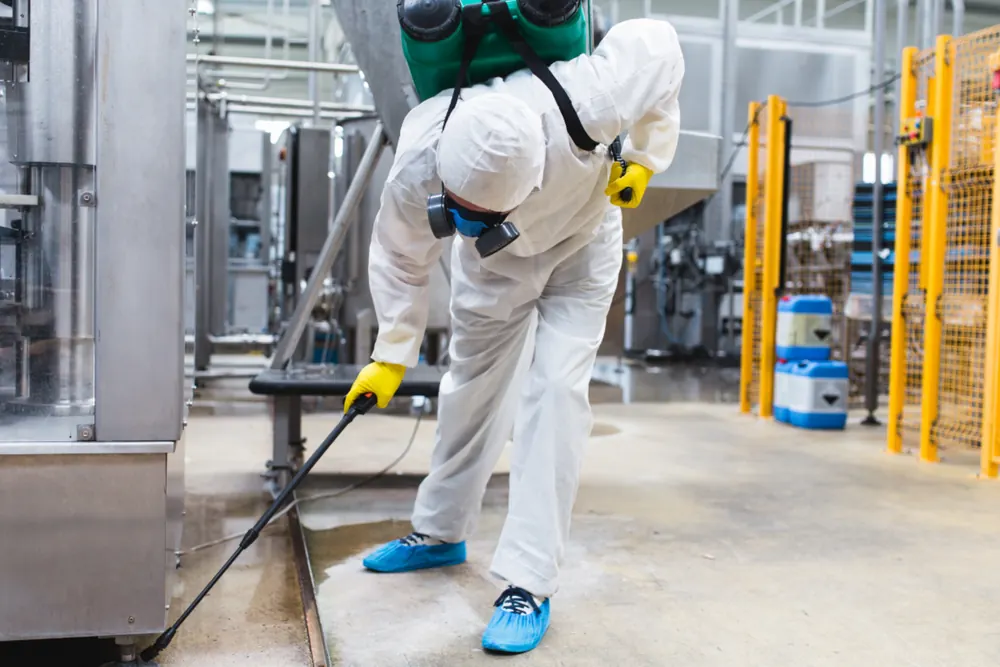
Dirty bins smell even when empty. Washing them on a schedule and presenting them on time stops most odour complaints and missed collections.

Who it is for
Every building makes waste differently. What fills the bins, and who is responsible for them, changes with the type of site.
Chute rooms, bin presentation and hard rubbish left by residents. Often run alongside strata common area cleaning.
Tenant recycling, kitchen organics and secure bins for confidential paper.
Large cardboard volumes, shared docks and compactors that run every day.
Food waste and odour control, with bin areas kept clear of pests. See our kitchen cleaning page.
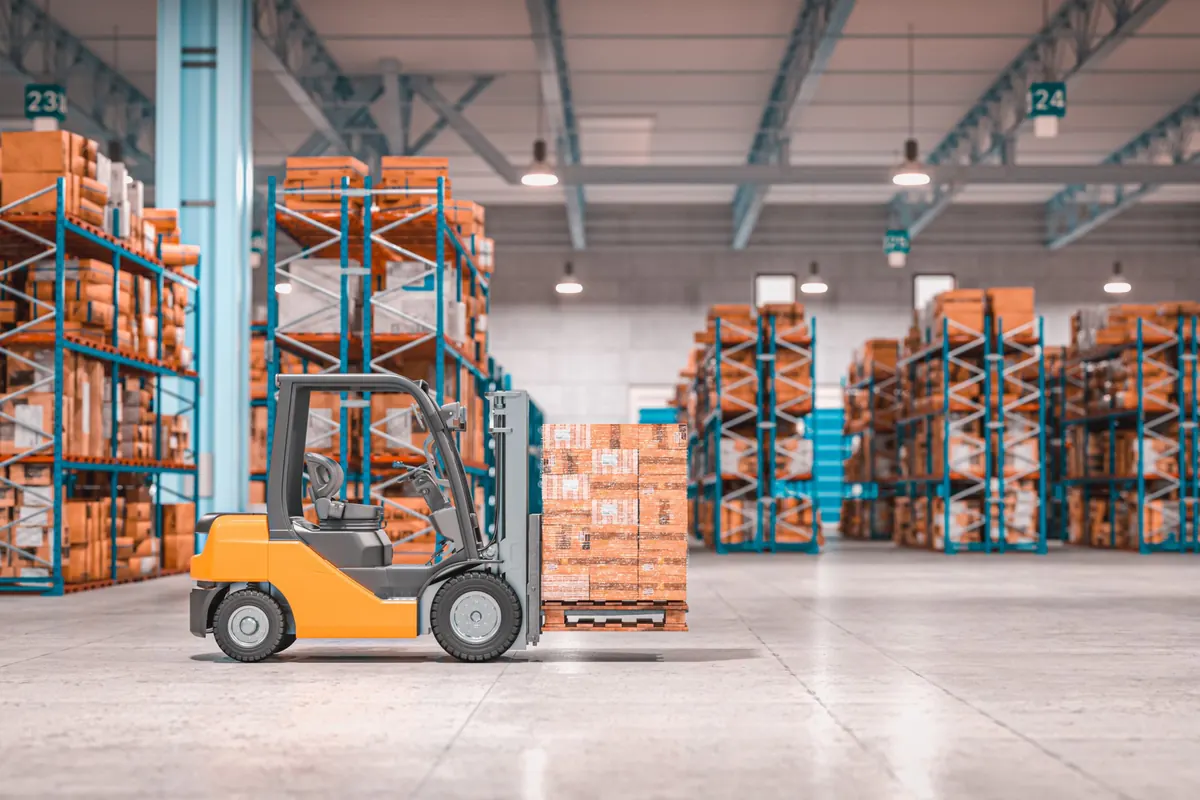
Pallets, shrink wrap and cardboard, often with a baler or a skip on site.
Yard bins, canteen waste and end-of-term clear-outs, scheduled around class times.
How it runs
Setting up waste properly starts with looking inside the bins. Most sites are paying for the wrong mix: too many general waste lifts and too few recycling ones.
We look at every bin and bin room, note what is in each stream, and record overflow, smells and contamination.
You get a plan with bin numbers, sizes and collection days for each stream, and the cost of each.
Lifts are booked with the collector.
Our crew presents bins, cleans the bin room and removes loose rubbish on the agreed days.
Overflow, missed lifts and contamination notices are reviewed, and bin numbers changed to match.
Frequency
Collections might be weekly, but the bin area needs attention far more often than that. This is a common pattern for a mid-sized office or strata building, and summer usually brings extra washing because heat makes food waste smell within a day or two.
Daily
Weekly
Monthly
On request
Your routine is set from the waste walk.
Under the Environment Protection Act 2017 (Vic), businesses that produce commercial and industrial waste must take reasonable steps to make sure it goes to a place lawfully able to accept it. EPA Victoria publishes guidance on these duties.
| Item | Detail |
|---|---|
| General environmental duty | Environment Protection Act 2017 (Vic): reduce the risk of harm from waste on your site |
| Council collection | Councils such as the City of Melbourne collect only small volumes from commercial properties, so most businesses use a private collector |
| Contamination | Councils and collectors can refuse contaminated recycling bins |
| Manual handling | Occupational Health and Safety Act 2004 (Vic): heavy and overfull bins are moved with the right equipment |
| Insurance | See our accreditations and insurance details |
Price guide
Waste costs come in two parts: collection charges, set by bin size and number of lifts, and the on-site work of presenting bins and keeping bin rooms clean. Getting the bin mix right often lowers the first part.
| Item | From | What changes the price |
|---|---|---|
| Bin presentation | On quote | Number of bins and distance to the kerb |
| Bin room clean and bin wash | On quote | Room size, number of bins, compactor |
| Hard rubbish removal | On quote | Volume, item types and access |
| Collection lifts | On quote | Bin size, stream and frequency |
Hazardous waste such as chemicals, asbestos and clinical waste goes to specialist contractors licensed for it, and we will tell you if we find any during a clear-out. Sanitary waste is handled through our sanitary bin service.
Household rubbish removal and domestic clear-outs are outside Golden Star's commercial work.
Golden Star arranges commercial waste services across metropolitan Melbourne, including CBD towers with shared docks, bayside apartment buildings and industrial estates in the south-east and west. Selected regional Victorian sites are taken on when there is capacity. Check the areas we cover.
Photos of your bin room and a copy of your current collection schedule help us quote.
Collection is charged by bin size, stream and number of lifts, and on-site work by the week or visit. After a waste walk we show both parts separately so you can see where the money goes.
Often enough that no bin overflows before its lift. Food waste and general waste usually need more frequent lifts than cardboard or commingled recycling, especially in summer.
Every crew member working in your bin room completes the site induction first, covering access, dock traffic and chemical storage.
On-site work is often done early or late to keep docks clear. Some councils restrict early collections near homes, so lift times are set to suit the street.
Either way, one contact at Golden Star deals with the collector for you.
Usually because the collector saw food, bags or soft plastic in it. We check bins before collection day and follow up with tenants when it keeps happening.
All of metropolitan Melbourne, from the CBD to the outer west and south-east.
Tell us the site, your current collector and what goes wrong now: overflow, smells, missed lifts or contamination notices. We will look inside the bins and send a plan.