Warehouses and distribution
Dusting slabs, broken joints and coatings lifting under forklifts.
Commercial and strata facilities management, Melbourne
Office Mon to Fri, 9:00 am to 5:00 pm info@goldenstar.au

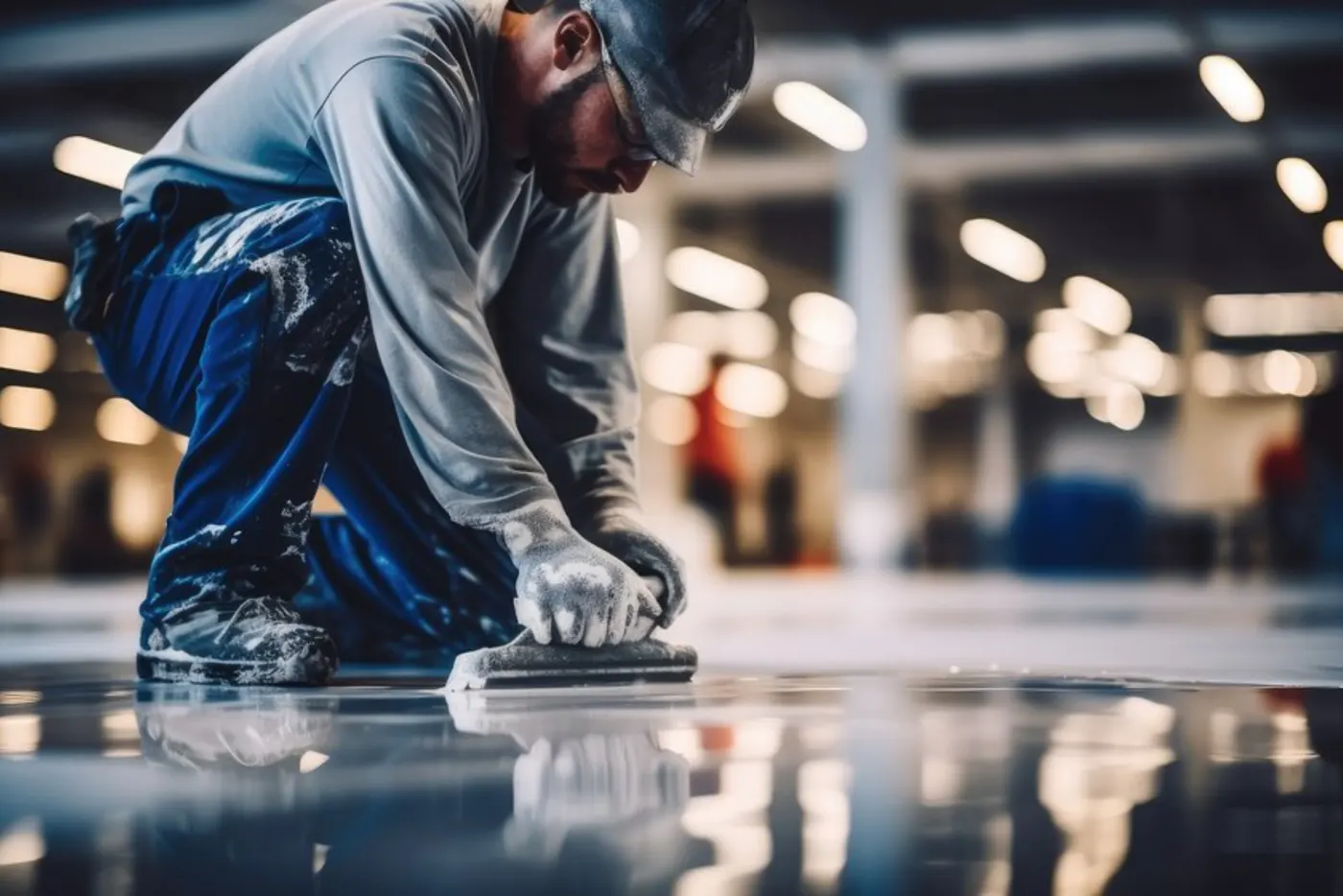
Golden Star flooring division
Think Floor is the commercial flooring division of Golden Star Facilities Management, covering commercial flooring in Melbourne from the slab up: epoxy coatings, polished concrete, vinyl and laminate, carpet tiles, timber, tile and the cleaning and sealing that keeps each one in service. One team checks the subfloor, picks the floor for the room and plans the work around your trading hours.
Flooring is one of Golden Star's four divisions, alongside facilities management, cleaning and hospitality
Services
Each floor type has its own page with the preparation, cure times, slip ratings and upkeep that go with it. Start with the floor you have, or the one you are thinking of putting down.
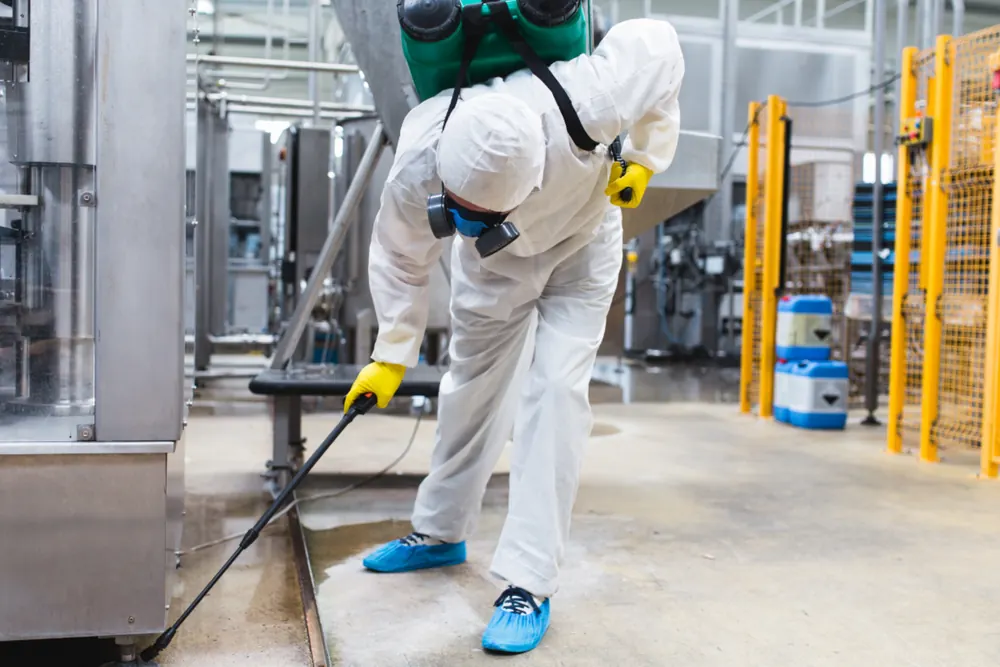
Resin coatings for warehouses, workshops and food areas, with grip added where the floor gets wet.
Epoxy floor coatings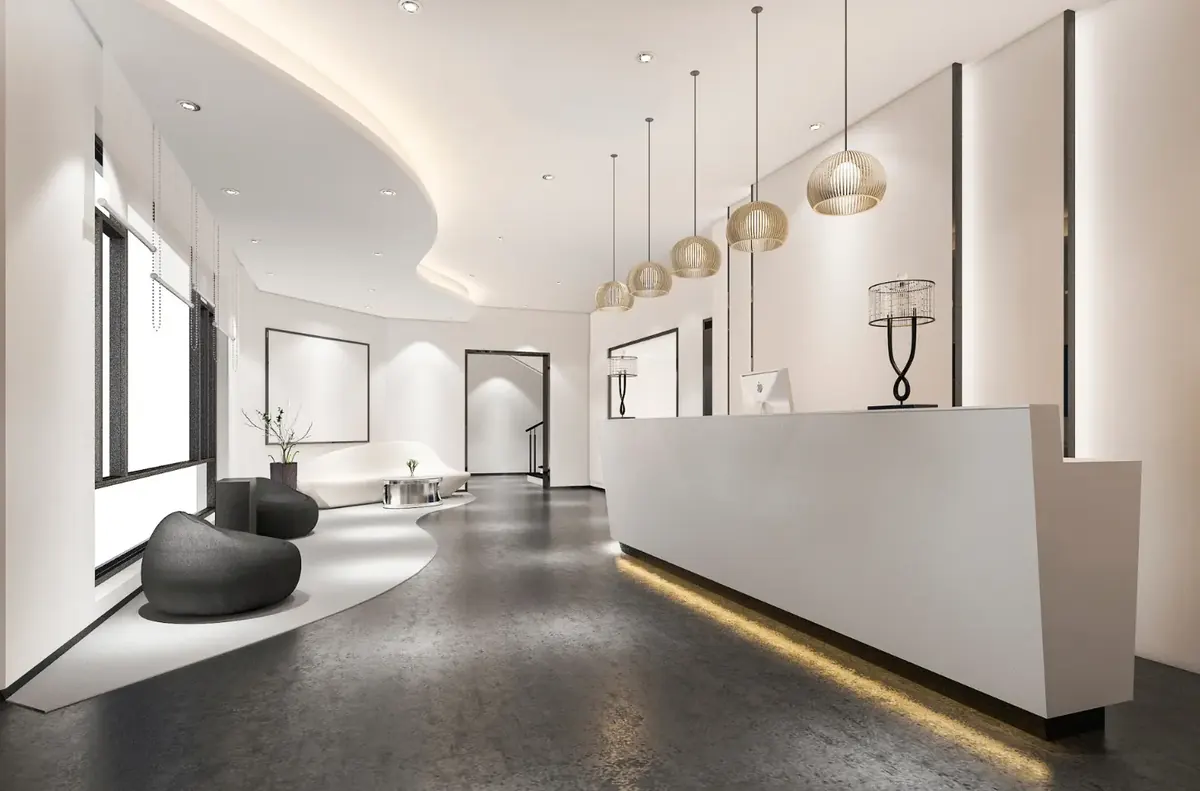
Existing slabs ground, honed, densified and sealed for retail, offices and showrooms.
Polished concrete options
Welded sheet vinyl, safety vinyl, planks and laminate for clinics, shops, kitchens and offices.
Vinyl and laminate flooringScrubbing, stripping and resealing vinyl and other hard floors on a schedule.
Strip and seal service
Carpet tile replacement, repairs and new carpet for offices and common areas.
Carpet tile work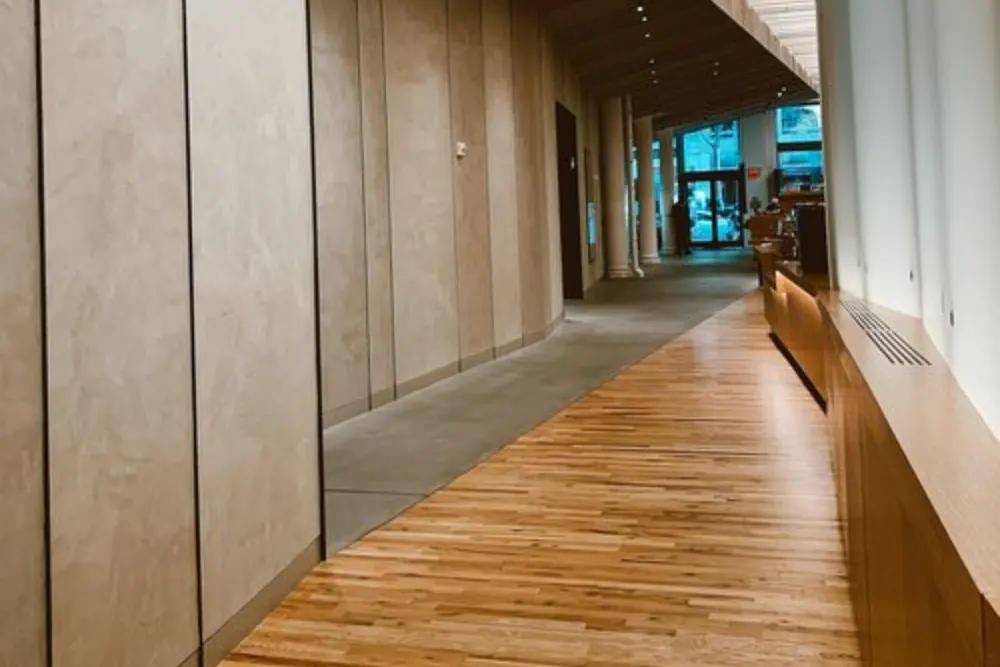
Sanding, coating and repairs to timber in lobbies, offices and hospitality venues.
Timber floor services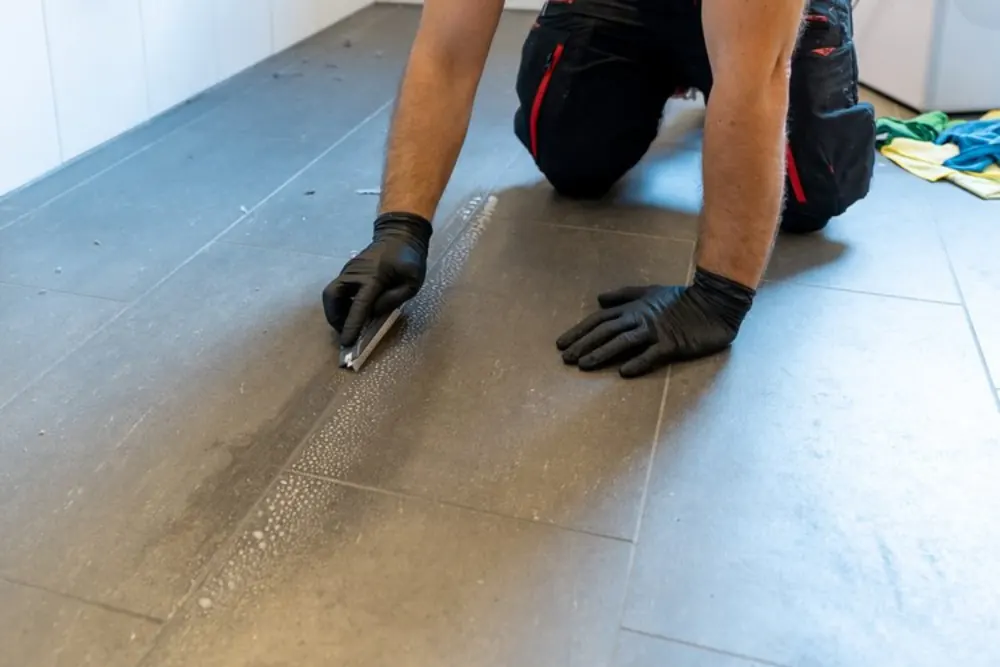
Deep cleaning, regrouting and sealing tiled kitchens, washrooms and entries.
Tile and grout cleaning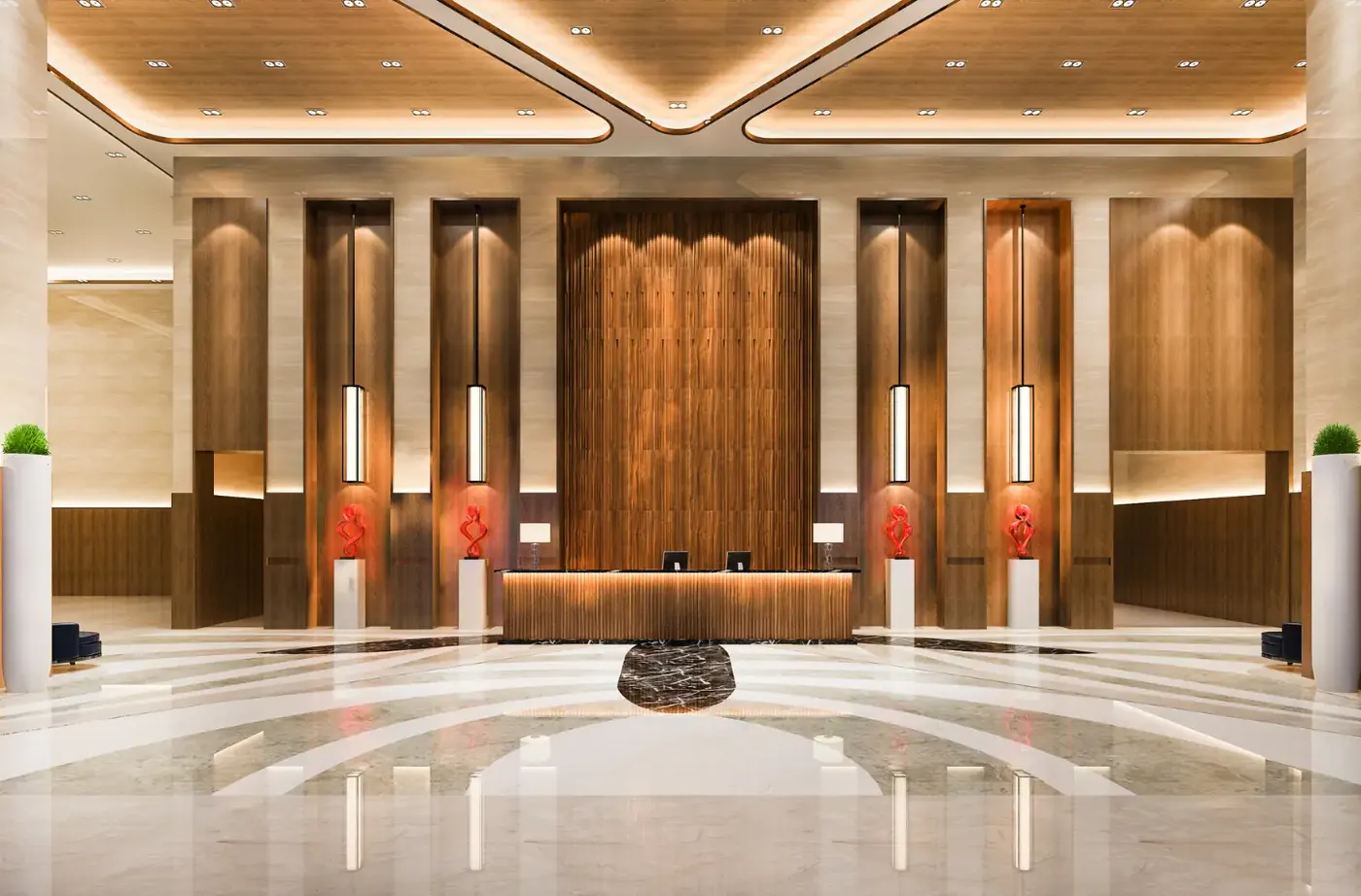
Book a slab check and we will tell you which options suit the room and what each would involve.
Book a floor assessmentRoom by room
The right floor depends on what the room does to it: forklifts, hot water, disinfectant, foot traffic or rolling chairs. These are the starting points we use before looking at colour or budget.
Forklift tyres, pallet jacks and dropped loads wear through soft coverings fast, so industrial floors are usually the slab itself, ground and coated or ground and polished.
Epoxy suits areas that need line marking, chemical resistance or a dust-free finish. Polished concrete suits large dry areas where long-term upkeep matters more than colour.
Kitchen floors take boiling water, hot oil and daily caustic cleaning. Standard epoxy can soften and crack under hot washdowns, so cooklines often need polyurethane cement, quarry tile or a safety vinyl rated for wet areas.
Food premises floors must be able to be cleaned properly and must not let water pool, which is why coved edges and falls to drains matter as much as the surface.
Sheet vinyl with heat-welded seams and coved edges is common in clinical rooms, because disinfectant cannot soak into joints. Aged care and childcare also look at cushioning underfoot and how easily wheelchairs, walkers and prams move across it.
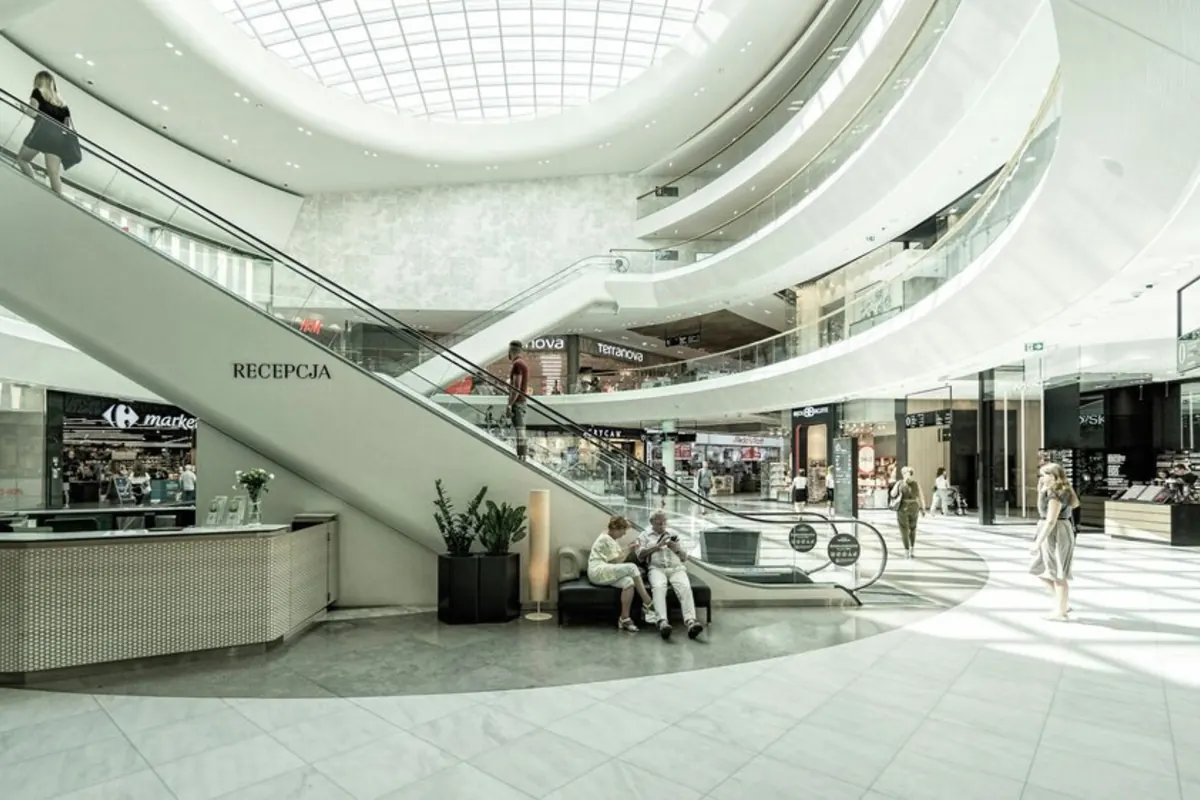
Offices mostly use carpet tiles, because a worn or stained tile can be swapped without replacing the whole floor. Retail and showrooms lean towards polished concrete, vinyl planks or tile at the entry, where water comes in on shoes.
Entry mats sized for the doorway take much of the wear off whichever floor sits behind them.



Every floor type has a different wait between the work finishing and the room being used again. These are typical ranges; the exact figure comes from the product data sheet and the temperature on site, and Melbourne winters slow most curing.
| Floor | What is checked first | Typical wait before use | Slip resistance |
|---|---|---|---|
| Epoxy coating | Slab moisture, surface strength, old coatings | Foot traffic often the next day; vehicles and full cure take longer | Aggregate added to reach the rating set for the area |
| Polished concrete | Slab hardness, cracks, patches, old adhesive | Usually back in use soon after the final pass | Tested wet after polishing; entries may need treatment |
| Sheet vinyl and planks | Slab moisture, flatness, old coverings | Light traffic once the adhesive has set | Safety vinyl chosen by its tested rating |
| Carpet tiles | Flatness and old adhesive | Often the same day | Not usually rated |
| Timber sanding and coating | Moisture in the boards, loose boards | Days, depending on the coating | Finish chosen for the area |
| Tile and grout sealing | Cracked tiles, failed grout | Hours to a day for sealers | Anti-slip treatment if needed |
Slip ratings for new floor surfaces are classified under AS 4586, using a wet pendulum test (P ratings) and an oil-wet ramp test (R ratings). The rating a room needs is set by its use, and we work to the rating in your specification.
How it runs
A flooring job runs through five steps with one contract contact from quote to handover. Ongoing floor care contracts then repeat the last two steps on a schedule.
We look at the floor, take moisture readings on concrete slabs, and note trading hours, access and how much of the area can close at once.
You get the floor options that suit the room, each with its preparation, downtime and price.
Work is split into stages and booked around your hours, often nights or weekends, with the cure time for each stage shown.
The site supervisor checks preparation before any coating or covering goes down, and again at the end of each stage.
You receive photos, product data sheets and care instructions, stored in GS Connect with the rest of your site documents.
Building types
Commercial floors fail in different ways depending on the building. These are the building types we plan for, and the floor problem each one raises most often.
Dusting slabs, broken joints and coatings lifting under forklifts.
Cracked floors behind the cookline and water pooling away from the drain.
Seams opening in sheet vinyl, letting water and disinfectant underneath.
Worn traffic lanes at the entry and a slippery floor on wet days.
Stained or frayed carpet tiles in walkways and kitchenettes.
Lobby and corridor floors that need work without closing the building.
Flooring work involves dust, chemicals and sometimes old materials that need testing before they are disturbed. These are the rules that apply; insurance certificates are on our accreditations page.
| Item | Detail |
|---|---|
| Concrete dust | Grinding concrete creates crystalline silica dust; work is done wet or with on-tool extraction under WorkSafe Victoria rules |
| Old floor coverings | Vinyl tiles and black adhesive in older buildings are tested for asbestos before lifting; removal is by a licensed asbestos removalist |
| Chemicals | Safety data sheets for every coating, adhesive and sealer used |
Photos and a rough size of the floor help; email info@goldenstar.au or ring 1300 38 38 62.
Yes. A single contract can cover, for example, a new epoxy floor in the warehouse, carpet tiles in the office and a strip and seal of the lunchroom vinyl every six months, with one contact and one programme.
Our business development manager handles the site check and quote. Once the job is booked you also have a named contract contact, an operations lead and a site supervisor.
The site supervisor checks the preparation before anything is laid or coated, then checks each stage before the next starts. Photos and data sheets go into GS Connect at handover.
Certificates are kept on our accreditations page and in GS Connect for clients.
Send photos, rough measurements and the hours the area can close. We book a site check, take moisture readings where needed, and send options with prices.
Tell us the building, the room and what is going wrong with the floor. We will look at the slab, take readings and come back with options you can compare.
