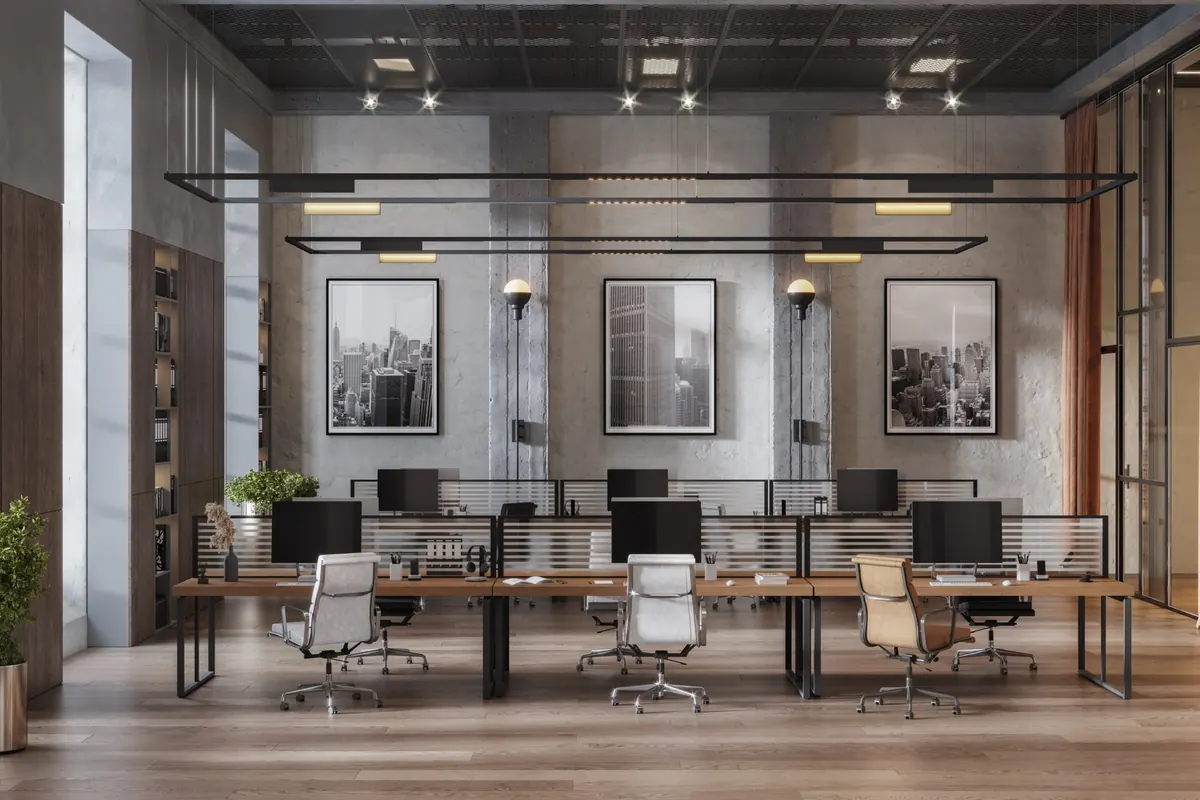
Offices
A burst flexi hose in a kitchenette on level six, leaking through two floors of carpet and ceiling tiles below.
Commercial and strata facilities management, Melbourne
Office Mon to Fri, 9:00 am to 5:00 pm info@goldenstar.au

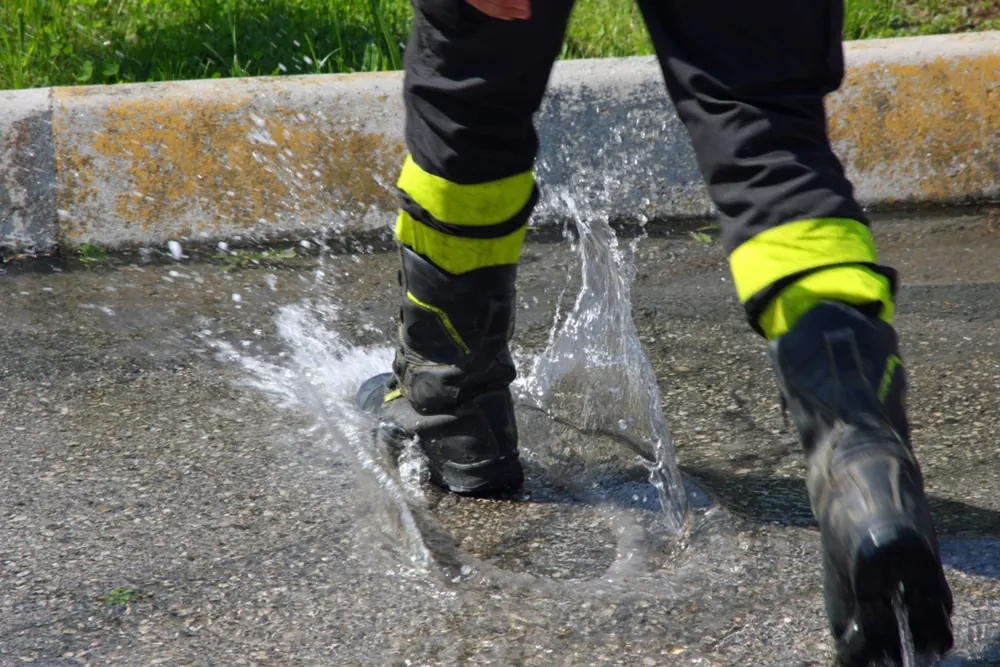
Floods, burst pipes and storm leaks
Commercial water damage restoration is the work that follows a burst pipe, a flooded basement or a storm leak: stopping the water, extracting it, drying the building with measured readings, and cleaning or removing what cannot be saved. Golden Star runs it as part of our facilities management services for Melbourne offices, shops, strata buildings, schools and warehouses.
Every reading and photo is kept, because the insurer will ask for them, and because mould starts quickly in carpet and plasterboard that only looks dry.
Response time and drying equipment
Response
What happens in the first two days decides whether carpet, plasterboard and joinery can be dried or must be thrown out. This is the order we work in on a commercial site.
A licensed electrician isolates wet circuits and a licensed plumber stops the source. Nobody walks through standing water near live power.
Photos and video are taken of every affected room before anything is moved, as insurers usually ask for them.
Standing water is pumped and extracted from floors and carpet. Furniture and stock are lifted off wet floors or moved out.
Air movers and dehumidifiers are set up and moisture readings are taken and logged each day until materials are back to normal levels.
Surfaces are cleaned and sanitised, wet materials that cannot be saved are removed, and the area is handed back with the drying record.
Scope
Restoration covers the water, the building and the paperwork. You can have us do all of it, or only the extraction and drying while your insurer's builder handles repairs.
Speed matters most here. Every hour water sits in carpet, more of it soaks into underlay and up into walls.
Progress is checked with meters, not by touch. A wall can feel dry while the bottom of the plasterboard is still wet.
Floodwater from outside or from a sewer carries bacteria. Anything porous it has soaked is usually removed rather than cleaned.
Once the building is dry, it can be put back together. We coordinate the trades so you do not have to.
Clients
Water damage in a commercial building affects more people than in a house: tenants, customers, staff and an insurer. These are the sites we usually attend.
A burst flexi hose in a kitchenette on level six, leaking through two floors of carpet and ceiling tiles below.
Basement car parks after heavy rain, and leaks from one apartment into the common corridor below.
Roof leaks over trading floors and stock, where the store needs to reopen as fast as possible.
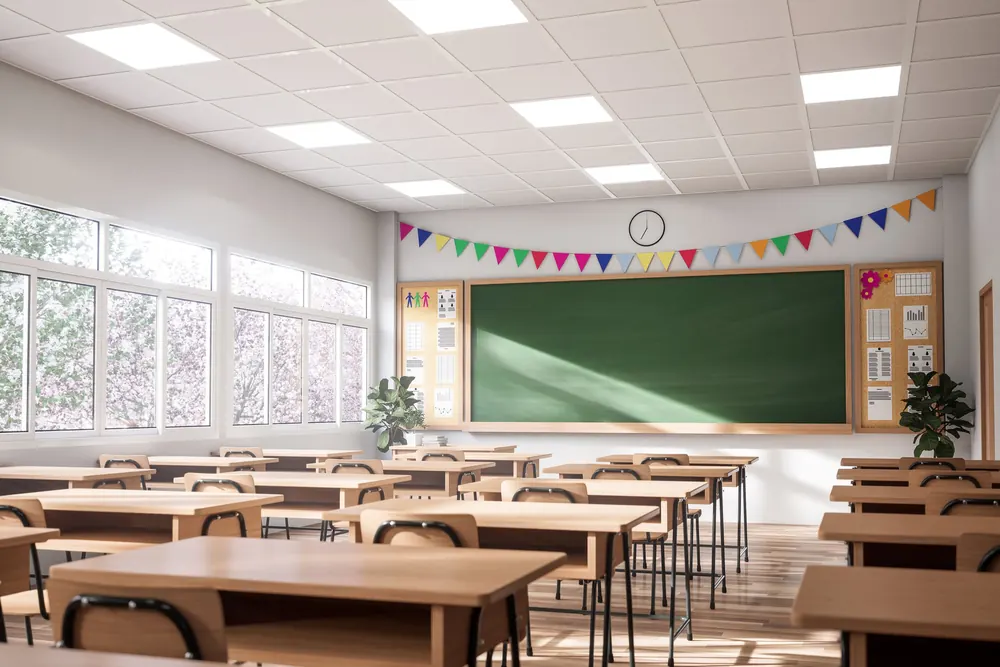
Classrooms flooded by storms or failed roof gutters, where children cannot return until the room is dry and clean.
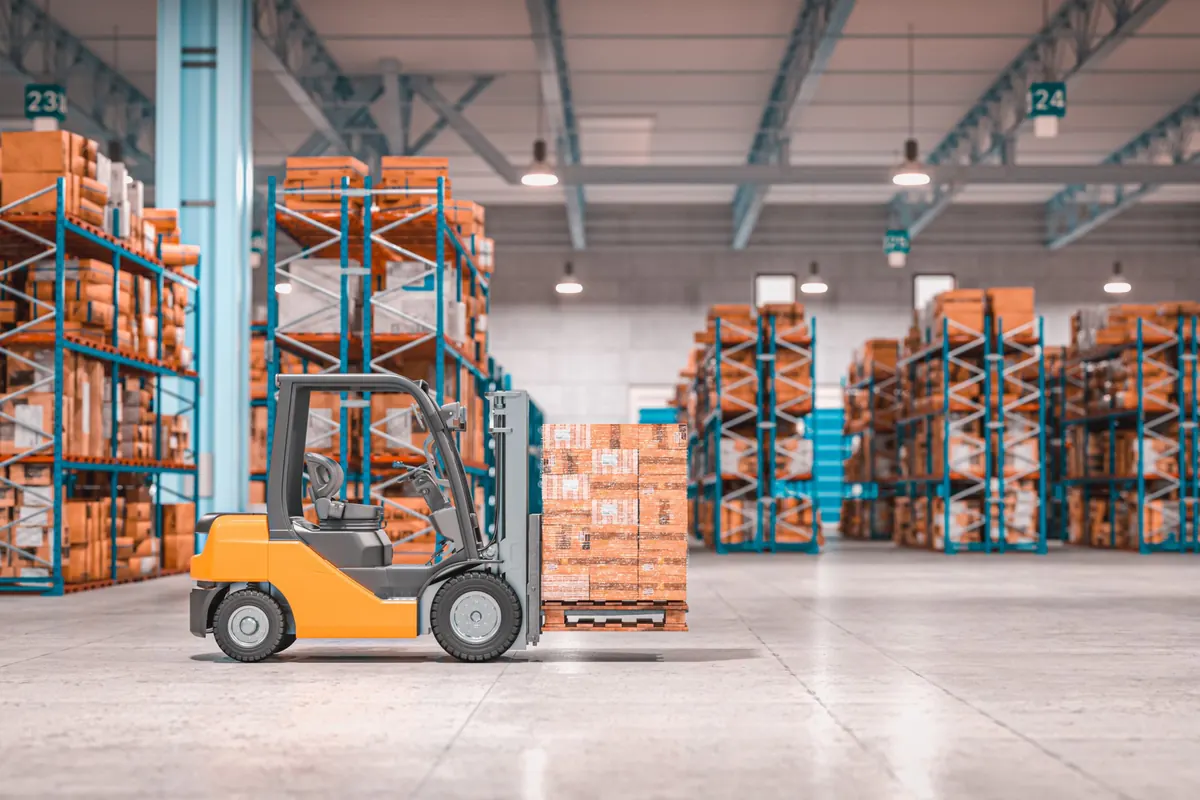
Water through roller doors or a roof, with pallets of stock to lift and check.
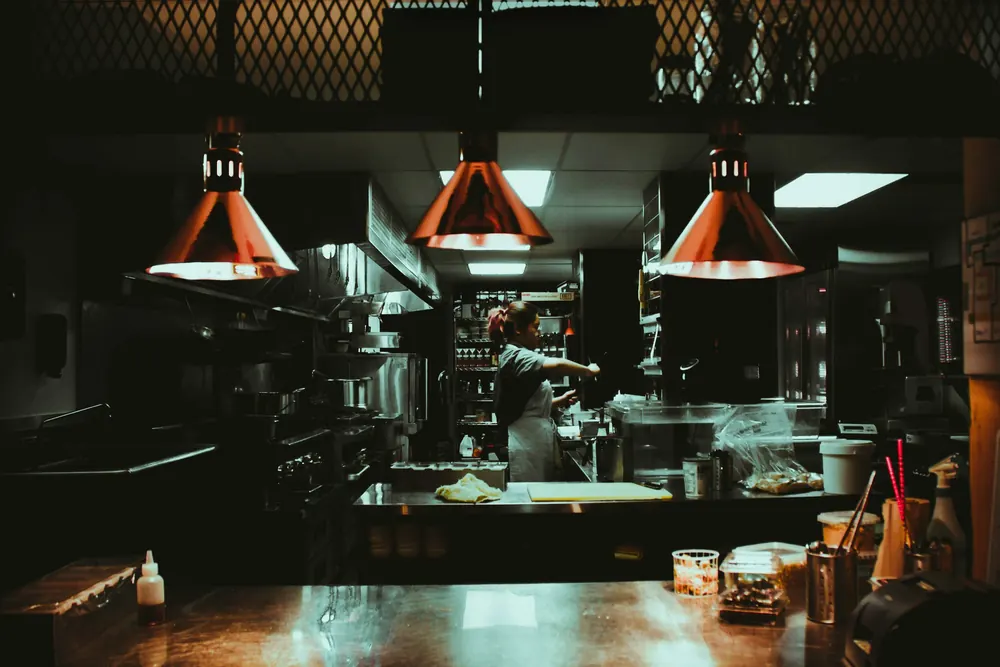
Floor waste overflows and cool room leaks that must be cleaned before any food is prepared again.
Water types
The source of the water decides how much can be saved. The restoration industry groups water into three categories, and the same rules shape what an insurer expects to see removed.
| Category | Typical source | What usually happens to carpet and plasterboard |
|---|---|---|
| Clean water | Burst supply pipe, failed hot water unit, fire sprinkler | Often dried and kept if work starts quickly |
| Grey water | Dishwasher or washing machine overflow, toilet overflow without waste | Underlay usually removed; carpet may be cleaned and kept |
| Black water | Sewage, stormwater and floodwater from outside | Porous materials removed and the area disinfected |
Clean water left sitting for a few days can become grey water as bacteria grow, which is one reason drying starts as soon as possible.
Price guide
Most commercial water damage is an insurance claim, and we charge for labour, equipment hire per day and materials removed. The drying record we keep supports the invoice, so the insurer can see why each day of equipment was needed.
| Item | From | What changes the price |
|---|---|---|
| Emergency attendance | On quote | Time of day, distance and how many staff are needed |
| Water extraction | On quote | Depth of water, carpet or hard floor |
| Drying equipment | On quote | Number of rooms and how long readings take to come down |
| Removal of wet materials | On quote | Category of water and amount to dispose of |
If water sat for more than a couple of days, or the leak was slow and hidden, you may already have mould behind skirting or under carpet. That needs containment and removal, not only drying. See our commercial mould removal service.
Structural damage, such as a collapsed ceiling or a cracked slab, needs a builder or engineer. We make the area safe and help you find one, but we do not do structural repairs.
We attend water damage across metropolitan Melbourne, including low-lying industrial areas near the Maribyrnong and the creeks of the north and east that flood in heavy storms. See all service areas.
If water is coming in right now, phone 1300 38 38 62; an email may not be read until the morning.
Most jobs are charged as labour, equipment per day and materials removed. If you are claiming on insurance, we send our record and invoice in a form the assessor can check.
Hopefully never, but buildings with basements, flat roofs or old pipes see it more than once. After a job we list what caused it, such as a blocked box gutter or a perished flexi hose, so it can be fixed for good.
Our staff are inducted to the site's access and safety rules, and trades we bring in for make-safe are licensed and insured. Certificates are on our accreditations page.
Water does not wait for business hours, so extraction and make-safe can start at night or on weekends. Drying then runs around the clock with equipment left on site.
All of metropolitan Melbourne and selected regional Victorian sites. Travel time is the main thing that changes how fast we can arrive.
Call us, tell us where the water is coming from and how far it has spread. Keep away from wet power points until it has been made safe.
