

Find the moisture, then remove the mould
Commercial mould removal
Commercial mould removal means finding why a part of the building is staying damp, fixing or reporting that cause, then removing the mould and the materials it has grown into under containment so spores are not spread through the rest of the site. It follows on from our emergency and flood recovery work and covers offices, strata buildings, schools, clinics and shops across Melbourne.
Wiping mould off a wall without fixing the moisture only buys a few weeks. That is the most common reason people call us after someone else has already cleaned it.
Mould remediation training and certification
Problem areas
Where mould grows in commercial buildings
Mould needs moisture, and in Melbourne buildings that usually means a leak, poor ventilation or a cold surface where condensation forms. These are the places we are called to most, and what is usually behind each one.
Ceilings and walls under roof or plumbing leaks
Brown rings on ceiling tiles, or black spots spreading up from the skirting, usually mean a slow leak above or behind. The plasterboard often has more growth on the back than the front.
- Roof and box gutter leaks after storms
- Shower and pipe leaks from the floor above
- Plasterboard cut out past the edge of the growth
Carpet and underlay that stayed wet
Carpet that was wet for more than a day or two after a leak often grows mould in the underlay first. The smell gives it away before anything is visible.
- Musty smell near a past leak
- Underlay checked by lifting a corner
- Contaminated underlay removed, not shampooed
Washrooms and change rooms
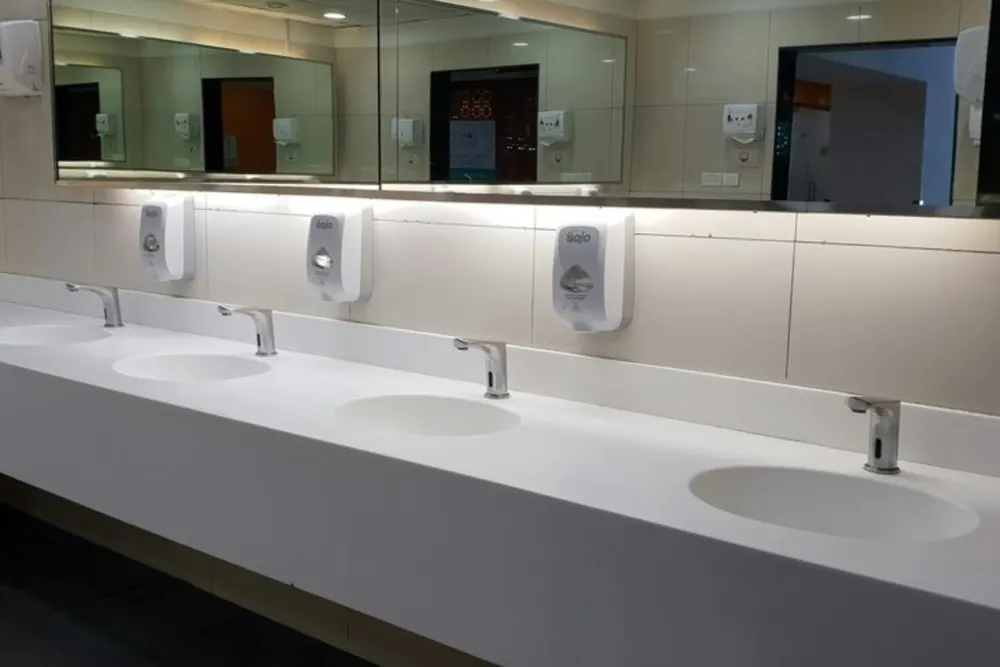
Showers and toilets without a working exhaust fan stay humid for hours. Mould appears on ceilings, grout and silicone first.
- Exhaust fan airflow checked
- Silicone replaced where mould is under it
- Ceiling painted with a mould-resistant coating after cleaning
Air conditioning units and ducts
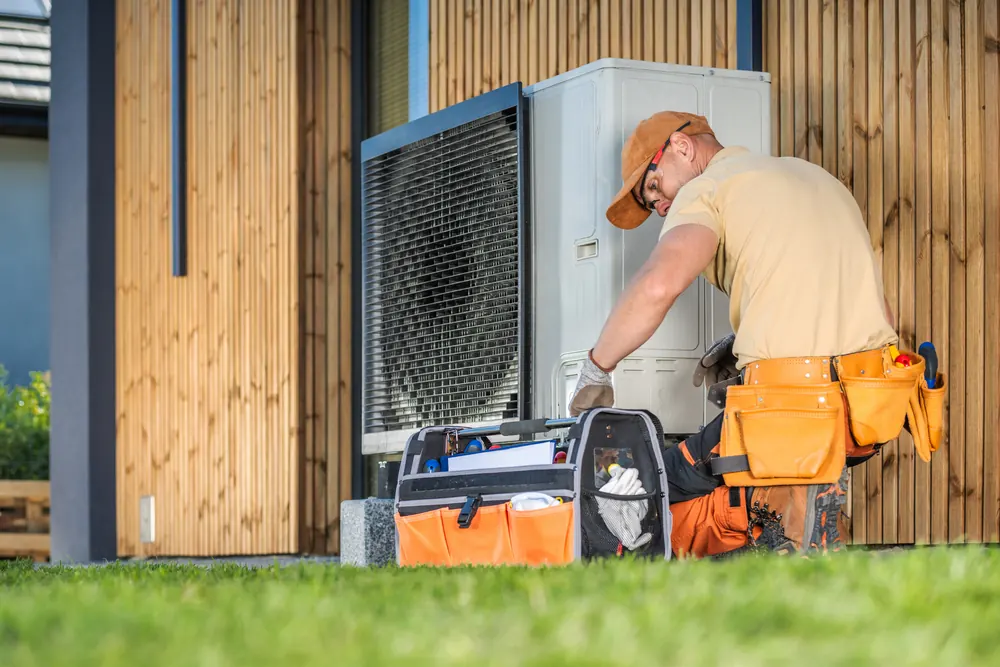
Drain trays that do not empty, wet insulation and dirty filters can grow mould and blow spores into the room. This needs the HVAC contractor as well as us.
- Drain trays and coils checked by an HVAC technician
- Duct cleaning through our duct cleaning service
- Vents and grilles cleaned
Basements, subfloors and store rooms
Below-ground car parks and subfloors get little air and often take in water through walls. Stored boxes and timber pick up mould quickly.
- Water entry points identified
- Stored materials sorted and removed
- Ventilation improvements recommended to the owner


Included
What our commercial mould removal includes
Each job has the same core steps, scaled to the size of the growth. A patch on one ceiling tile and a flooded basement are very different jobs, but neither is finished until the cause is known.
- Moisture mappingReadings taken across walls, floors and ceilings to find the edge of the damp area.
- Cause identifiedLeak, condensation or ventilation problem named in writing, with photos.
- ContainmentPlastic sheeting and taped openings so spores stay in the work area.
- Protective equipmentRespirators, gloves and disposable suits for everyone in the contained area.
- Removal of porous materialsMouldy plasterboard, ceiling tiles, underlay and insulation cut out and bagged.
- Hard surface cleaningHEPA vacuuming and detergent wiping of frames, slab and fittings.
- DryingDehumidifiers left running until readings are back to normal.
- Clearance checkVisual inspection and readings before containment comes down.
- Repair coordinationPlumbing, roofing or ventilation fixes booked through our licensed contractors if you want us to.
Process
How a mould job runs
Large jobs are done in stages so the rest of the building can stay open. Small ones can often be finished in a day.
- 1
Inspect
We look at the growth, take moisture readings and work out the likely cause. You get a scope and price before anything is disturbed.
- 2
Fix or isolate the cause
The leak is repaired, or at least stopped, before removal starts. Otherwise the mould returns.
- 3
Contain and remove
The area is sealed, affected materials are removed and bagged, and surfaces are vacuumed and cleaned.
- 4
Dry and check
Drying equipment runs until readings fall. The area is inspected before the sheeting comes down.
- 5
Report and rebuild
You receive a report of cause, work and readings. Replacement plasterboard, painting and flooring follow if you want us to arrange them.

Health, safety and standards for mould work
There is no single Victorian licence for mould removal, but the person in control of a workplace must manage the risk to health. The Better Health Channel explains who is most at risk. Insurance and safety documents for this work are listed on our accreditations and insurance page.
| Item | Detail |
|---|---|
| Workplace duty | Occupational Health and Safety Act 2004 (Vic): the employer or person in control manages exposure to mould |
| Asbestos | Building register checked before cutting out older wall and ceiling linings |
| Protective equipment | Respirators and disposable coveralls inside containment |
| Waste | Removed materials bagged and disposed of as general waste unless otherwise contaminated |
Price guide
Mould removal costs in Melbourne
We price after an inspection, because the visible patch is often a fraction of what is behind the wall. The quote separates removal from any repairs, so you can see what the mould itself costs.
| Item | From | What changes the price |
|---|---|---|
| Inspection and moisture mapping | On quote | Size of building and number of affected areas |
| Small area removal | On quote | Up to one room, no structural materials removed |
| Contained removal | On quote | Containment size, materials removed, equipment days |
| Rebuild after removal | Quoted separately | Plasterboard, painting and flooring needed |
When mould removal is not enough on its own
If the mould is caused by a building defect such as failed waterproofing, rising damp or a roof that leaks every winter, removal only resets the clock. The owner needs that defect repaired, sometimes by a builder. We write down what we find so you have evidence for a landlord, owners corporation or insurer.
Domestic mould in houses and rental homes is outside our work; Magic Touch can help with home cleaning. Anyone with health concerns about mould exposure should speak to their doctor.
Commercial mould removal questions
Photos of the mould, and of any stain or leak nearby, help us judge the job before we visit; email them to info@goldenstar.au with the address.
How much does commercial mould removal cost in Melbourne?
Small areas cost far less than contained removal across several rooms. The amount of material to cut out, containment and drying time make the difference. We inspect first and quote removal and repairs separately.
How often is commercial mould removal needed?
Once, if the cause is fixed. Mould that keeps returning in the same place almost always means the leak, condensation or ventilation problem is still there. Washrooms and basements may need a check each winter.
Are the people doing mould removal police checked, insured and inducted?
Everyone is inducted to the building's rules and works in protective equipment inside containment.
Can mould removal be done after hours?
Yes. In offices and schools we often contain the area and work in the evening or over a weekend so staff are not near it. Drying equipment may then run for several days.
Which areas of Melbourne do you cover for mould removal?
We cover the whole metropolitan area, from bayside offices to schools in the outer east, and take regional Victorian jobs when a crew is free. See our service areas.

Find out what is behind the mould
Send photos and tell us how long it has been there. We will inspect, take readings and tell you the cause before we quote the removal.
