Explainer
What is commercial cleaning and what does a commercial cleaner do?
Commercial cleaning is the scheduled cleaning of workplaces and shared buildings, such as offices, schools, clinics, shops, warehouses and strata common property, by trained cleaners working to a written scope. This Golden Star guide covers what it includes, how it differs from home cleaning, and the standards a contractor should meet.
It is written for first-time buyers of cleaning: new office managers, strata committee members and business owners moving into their own premises.
What commercial cleaning means
The word commercial says who the client is: a business, a public body or an owners corporation, not a household. The work is done under a contract with a scope of works, a schedule, insurance and a way of checking quality.
A commercial cleaner is the person doing that work on site. Most work early mornings, evenings or nights in empty buildings, often alone or in small teams, which is why the scope and the supervisor's checks matter more here than in most jobs.
The difference
Commercial cleaning compared with domestic cleaning
The tasks look similar on paper. The differences lie in scale, hours, rules and accountability.
Commercial cleaning
Businesses, public buildings, strata
- Written scope of works and service levels
- Often after hours or overnight
- Workplace safety duties, inductions and chemical registers
- Machines such as auto scrubbers and backpack vacuums
- Supervisor inspections and reports
- Sector rules for clinics, food premises and childcare
Domestic cleaning
Homes and end of lease
- Scope agreed directly with the householder
- Daytime visits while the owner is out or home
- Household products and equipment
- Feedback straight from the owner
- Golden Star does not do domestic work; our sister brand Magic Touch does
Typical scope
What is included in commercial cleaning
A normal scope splits tasks by area and by how often they are done. This is a typical office and common-area scope; sector sites add their own tasks on top.
| Area | Each visit | Weekly | Periodic |
|---|---|---|---|
| Entry and reception | Door glass spot cleaned, floor vacuumed or mopped, bins emptied | Skirting and furniture dusted | Hard floor buffed, carpet steam cleaned |
| Work areas | Bins emptied, cleared desks wiped, walkways vacuumed | Partition glass and phones wiped | Carpet extraction, high dusting |
| Kitchens | Benches, sinks and appliance fronts wiped, dishwasher run by arrangement | Inside of microwave and fridge doors cleaned | Fridge cleared out with notice to staff |
| Washrooms | Toilets, urinals, basins and mirrors cleaned and disinfected, consumables restocked | Walls spot cleaned, partitions wiped | Tile and grout deep clean, descaling |
| Common property and car parks | Lifts and lobbies cleaned, litter picked up | Stairwells swept, bin rooms washed | Car park pressure cleaning |
The full daily, weekly and monthly lists are in our commercial cleaning checklist, which you can print.
On the job
What a commercial cleaner does during a shift
A night shift in an office or common area follows a set order, so nothing is missed and the floors are done last. Open each stage to see the tasks a commercial cleaner works through.
Arriving on site
The first ten minutes decide whether the shift goes to plan.
- Sign in and disarm the alarm using the site code
- Read the communication book or portal for new requests
- Check the trolley: chemicals labelled, cloths in the right colours
- Note any hazards such as wet floors, works or blocked exits
- Put out wet floor signs before any mopping starts
Kitchens, breakout areas and bins
Food areas are done early, before the cloths and mops have touched anything else.
- General waste and recycling emptied into the right building bins
- Bin liners replaced and bins wiped where soiled
- Benches, sinks and tap handles cleaned and sanitised
- Appliance fronts, handles and the microwave wiped
- Dishes left by staff handled the way the scope says
Washrooms and showers
Washrooms take the longest per square metre and draw the most complaints when rushed.
- Toilets and urinals cleaned inside and out
- Basins, taps, mirrors and dispensers wiped
- Paper, towels and soap refilled
- Floors mopped with a washroom-only mop
- Leaks, blockages and broken fittings logged for repair
Floors and the last walk-through
Floors come last, working back towards the exit.
- Carpets vacuumed, with walkways every visit and edges on set days
- Hard floors swept and damp mopped
- Lights off, windows shut and doors locked
- Alarm set and the shift signed out
- Anything unusual reported to the supervisor before leaving
By building
Types of commercial cleaning
Commercial cleaning changes with the building. These are the main kinds and what sets each one apart.
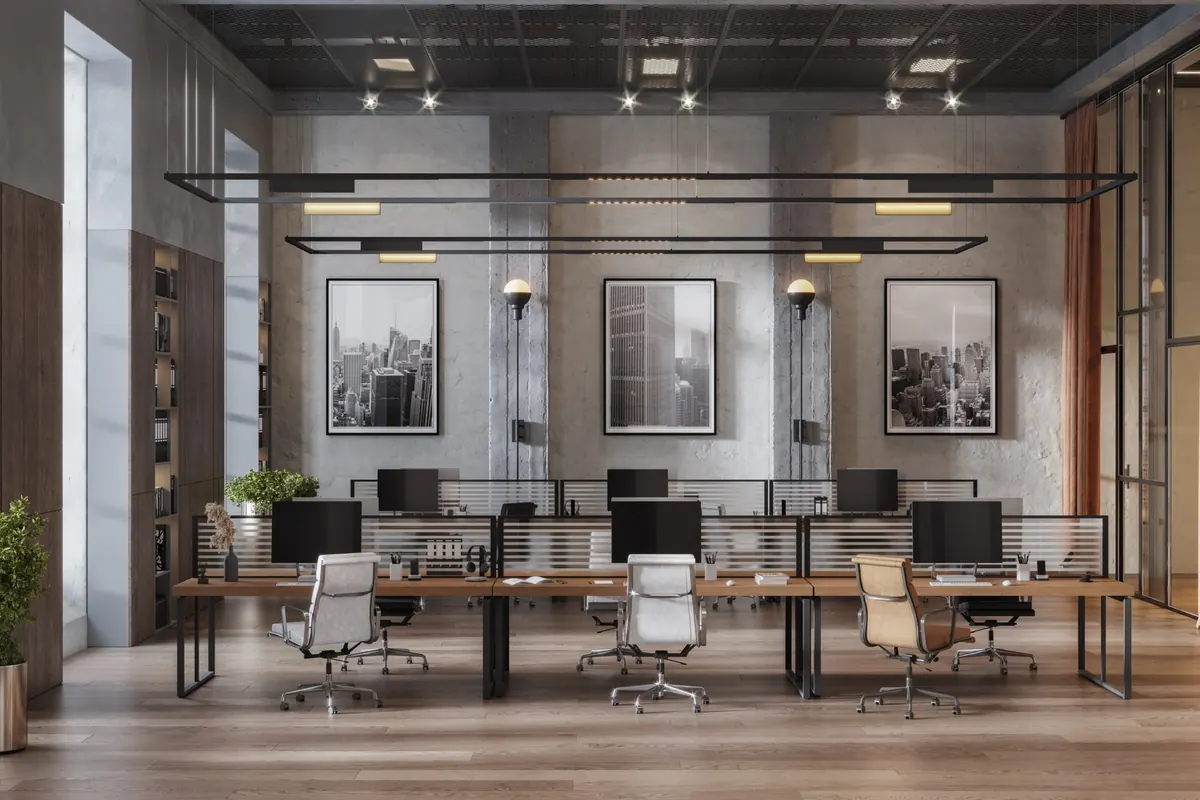
Office cleaning
Night or day cleaning of work floors, kitchens and washrooms, priced on weekly hours.
Office cleaning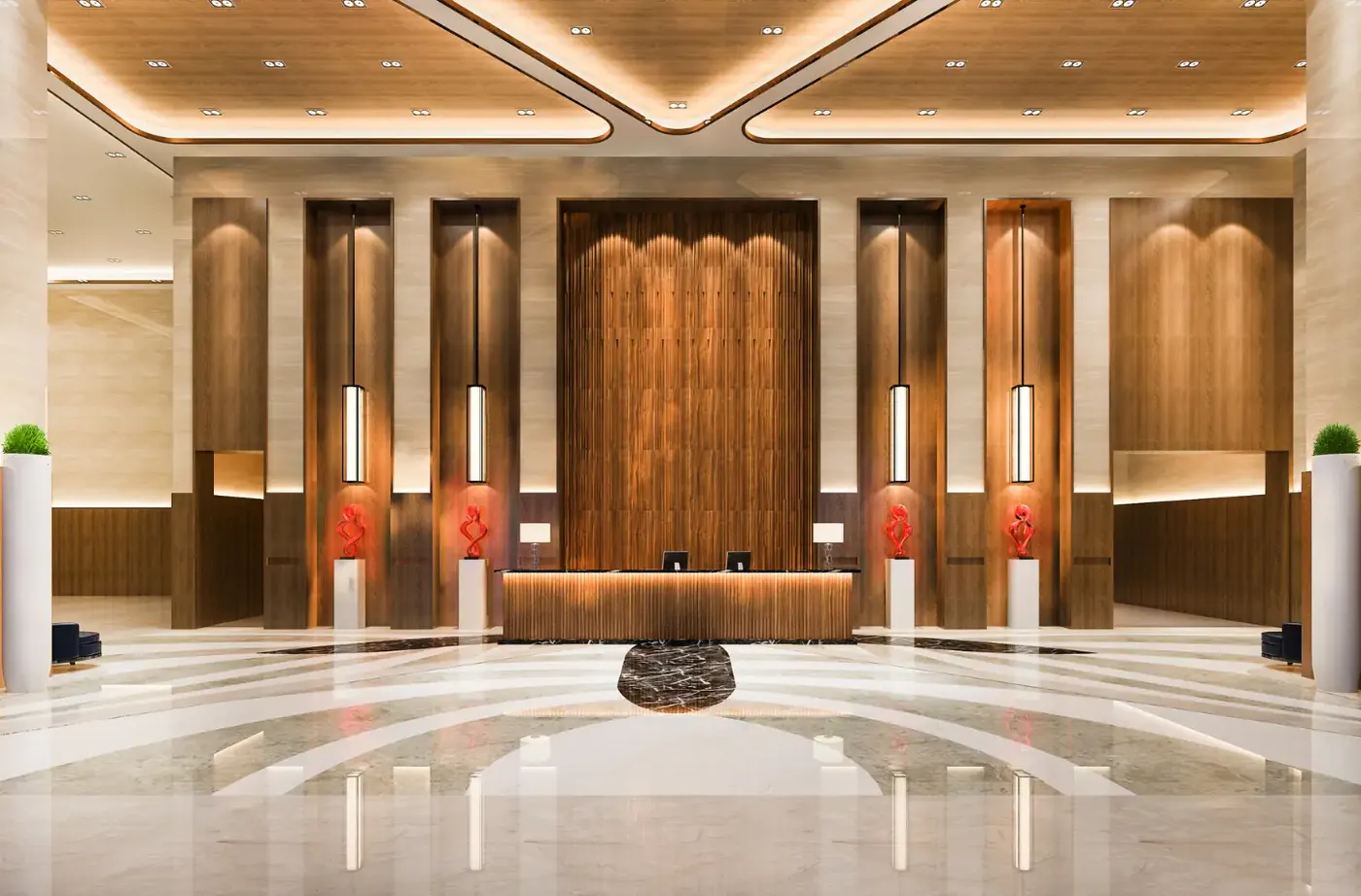
Strata cleaning
Strata cleaning covers the common property of apartment and mixed-use buildings: lobbies, lifts, corridors, car parks and bin rooms, on a roster set by the owners corporation. Small maintenance jobs are often reported alongside it.
Strata cleaning
Medical and healthcare
Clinical rooms cleaned with set methods for infection prevention and control.
Medical cleaning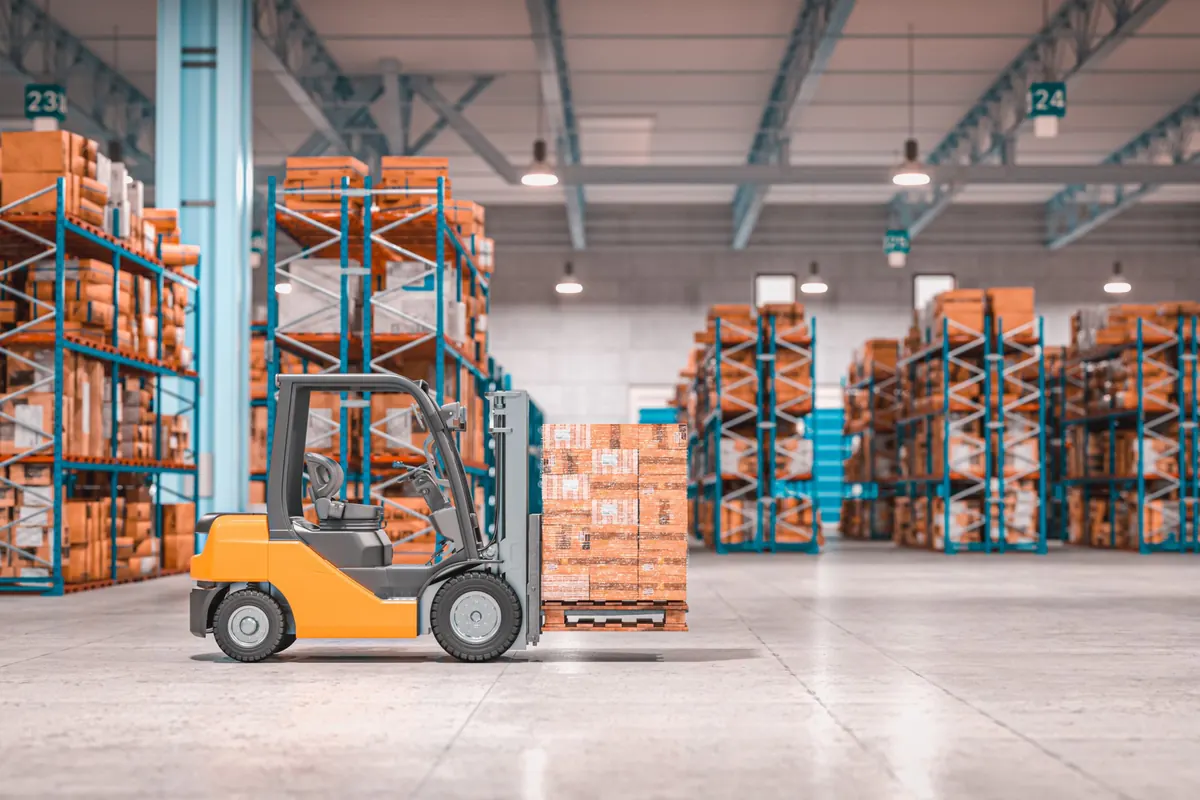
Industrial and warehouse
Large floors machine scrubbed and amenities cleaned around shifts and forklifts.
Industrial cleaning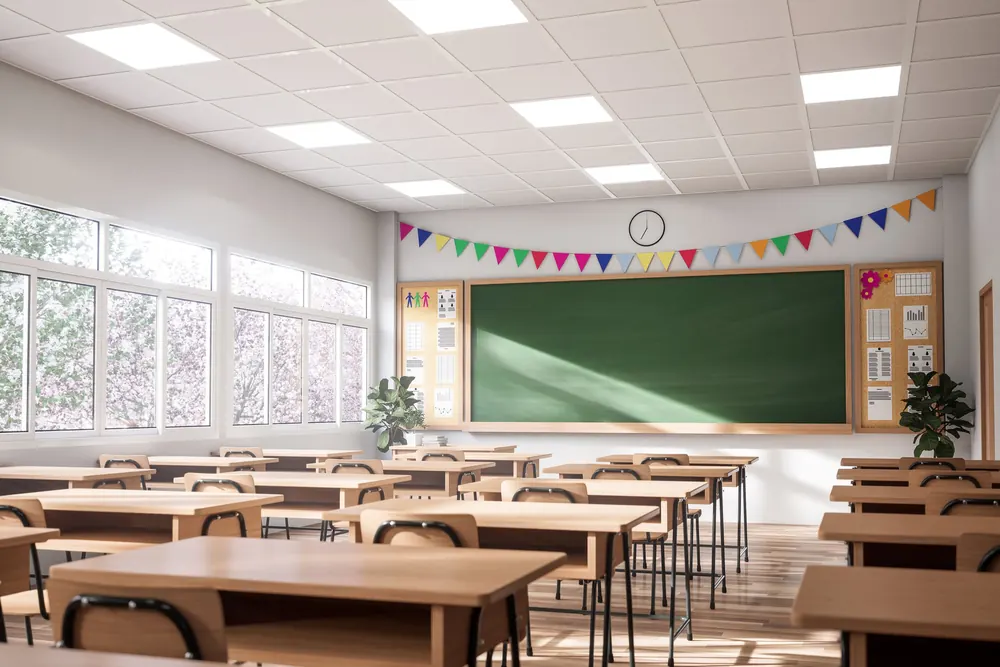
Schools and childcare
Classrooms and toilets cleaned after the school day, with deep cleans in the holidays.
School cleaning
Commercial kitchens
Floors, walls and equipment degreased in food premises, timed around service.
Kitchen cleaningBest practice
Commercial cleaning best practices
These habits separate a well-run cleaning contract from one that drifts. Each one is something you can ask a contractor to show you.
Colour-coded equipment
Cloths, mops and buckets are colour coded by area, so a cloth used on a toilet never touches a kitchen bench. A common Australian scheme is red for toilets and urinals, yellow for washroom basins and surfaces, blue for general areas and green for food areas.
Chemicals used as labelled
Disinfectants only work if they stay wet on the surface for their full contact time, and every chemical on site needs a current safety data sheet. WorkSafe Victoria sets out employers' duties for labelling hazardous chemicals and keeping their data sheets where workers can see them.
Top to bottom, clean to dirty
Dust falls, so high surfaces come first and floors last. In washrooms, cleaners work from the cleanest surfaces towards the dirtiest so soil is not spread around.
Inductions and site rules
Every site has its own alarms, keys, hazards and sign-in rules. Cleaners should be inducted before their first shift and again whenever the site changes.
Inspections with a score
A supervisor walks the site with a set form and scores each area. Scores over time show whether the contract is improving or slipping, and they give complaints something concrete to measure against.
Periodic work on a calendar
Carpet extraction, window cleaning and hard floor care get forgotten unless they are dated. A yearly calendar agreed at the start of the contract stops that from happening.
Template
Printable supervisor inspection form
The form Golden Star supervisors use on site, as a blank you can print and use in your own building.
- Cleaning inspection form (PDF)Areas, scoring scale, notes and sign-off
Commercial cleaning questions
What does a commercial cleaner do on a typical shift?
Signs in, checks the communication book or portal for requests, then works through the scope area by area: bins, kitchens, washrooms, surfaces and floors. The shift ends with a check that doors are locked and alarms set.
Do commercial cleaners need qualifications?
No licence is needed to clean in Victoria, but nationally recognised cleaning qualifications exist, and employers must train staff to use chemicals and machines safely. Medical, food and childcare sites expect extra training on top.
What is the difference between commercial and industrial cleaning?
Industrial cleaning is the branch of commercial cleaning for factories, warehouses and plant rooms, with heavier machines, tighter safety controls and work around production.
Who supplies the cleaning products and equipment?
Usually the contractor, priced into the contract. Washroom consumables such as toilet paper and hand towels can come from either side, and the contract should say which.
How do I choose a commercial cleaning company?
Give each bidder the same written scope, then ask for weekly hours, insurance certificates, how they pay their staff, and a sample inspection report. Golden Star's approach is described on our commercial cleaning services page.
Start with a written scope
Walk us through your building and we will write a scope of works room by room, with frequencies and an inspection plan, before we talk price.
