Heating, cooling and ventilation
Commercial air conditioning and HVAC in Melbourne
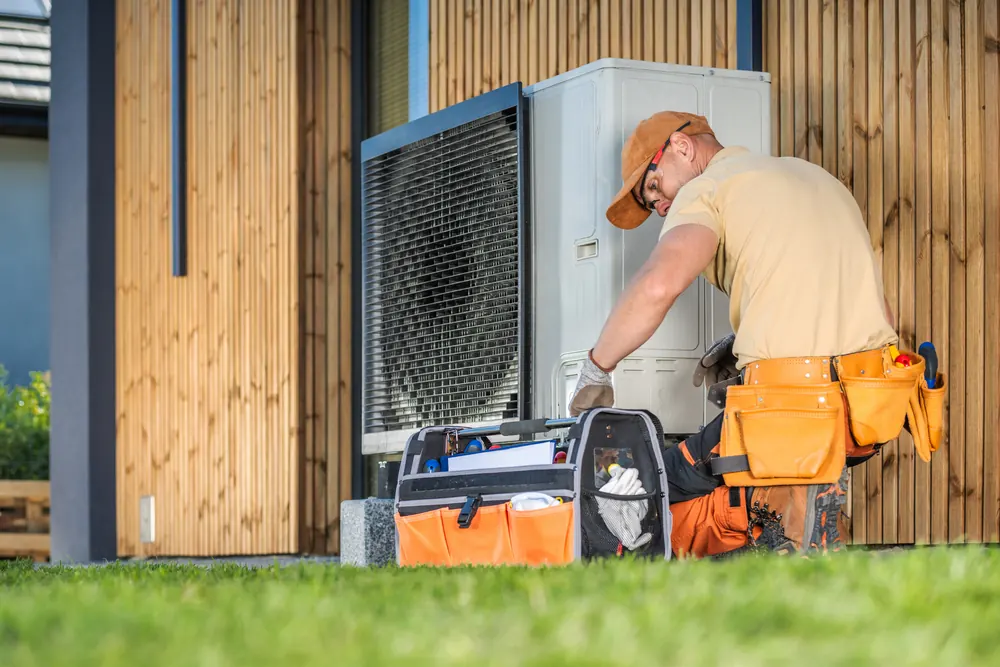
Golden Star arranges commercial air conditioning in Melbourne: servicing, repairs, planned maintenance and replacement for offices, shops, schools, medical centres and strata buildings. The work is part of our facilities management service and is carried out by HVAC contractors whose technicians hold refrigerant handling licences.
You get a maintenance schedule built around your plant, one number for breakdowns, and the service records your building needs for its essential safety measures report.
Refrigerant work by ARC-licensed technicians engaged by Golden Star
Scope
What commercial air conditioning maintenance covers
Commercial air conditioning maintenance means cleaning, checking and adjusting each unit on a schedule, so it keeps the building in the temperature band your leases promise and does not fail on the first 38-degree day. A commercial air conditioning service visit usually includes:
- Filters cleaned or replaced, and coils checked for dirt and damage
- Refrigerant pressures and temperatures checked against the unit's specification
- Fans, belts, bearings and motors checked for wear and noise
- Condensate drains and trays cleared so water does not drip onto ceiling tiles
- Thermostats and controls checked so each zone reads correctly
- Electrical connections inspected and tightened
Most tenant complaints about a floor being too hot or too cold come from controls, airflow or a blocked filter rather than a dead unit, so the technician checks the zone the complaint came from before quoting a replacement.
Too hot, too cold
One central setpoint rarely suits every corner of a floor. Log the zone and time of each complaint in GS Connect and the technician has a pattern to work from.

Systems
Commercial air conditioning systems we look after
Each type of commercial air conditioning system fails in its own way and needs a different maintenance routine. Choose a system to see what the technician checks and the issues that come up most.
Split, multi-head and ducted systems
Common in small offices, shops and medical suites. They are simple to service, but filters clog quickly in busy spaces, and a blocked condensate line is a frequent cause of water through the ceiling.
- Filter and coil cleaning
- Condensate pump and drain checks
- Refrigerant leak checks
- Remote and wall controller checks
Variable refrigerant flow systems
VRF serves many indoor units from one outdoor plant, so it is popular in multi-tenant offices. A fault code on one indoor unit can trace back to the shared outdoor unit, which is why the whole system is checked together.
- Fault code history reviewed
- Outdoor unit and compressor checks
- Indoor unit filters and drains
- Branch box and refrigerant checks
Packaged rooftop units
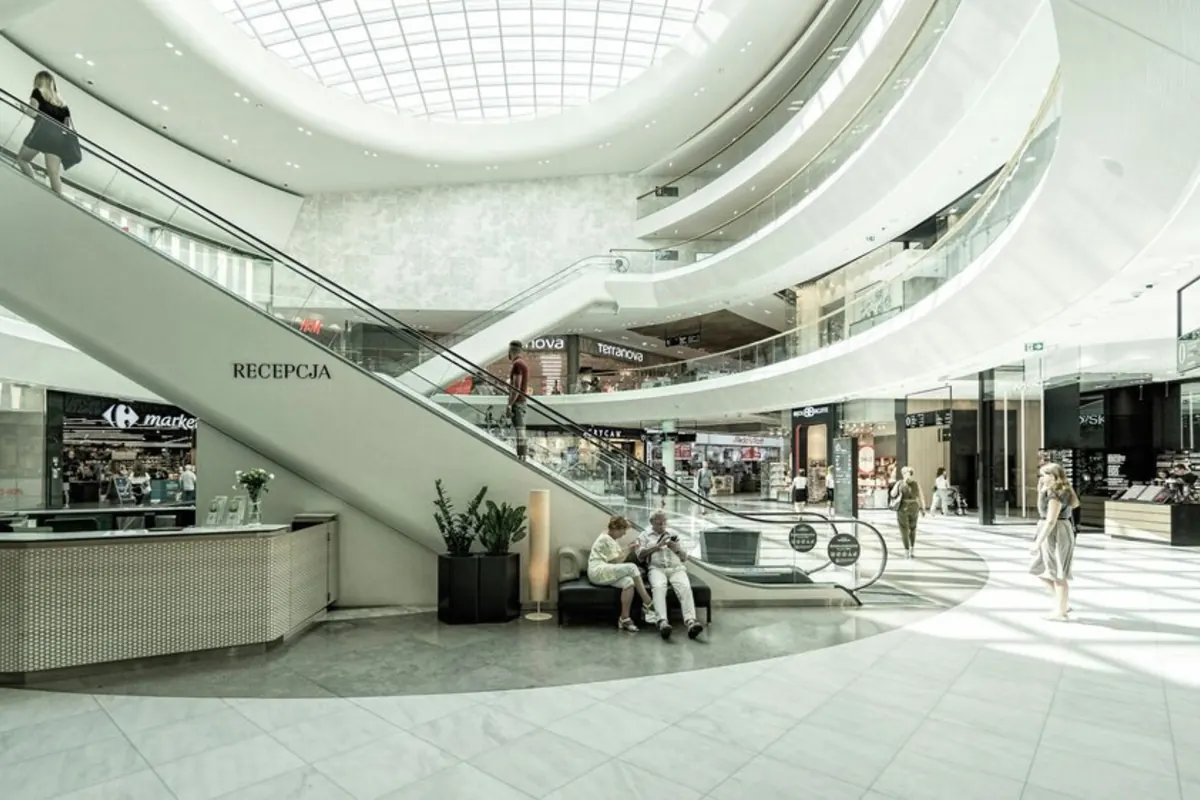
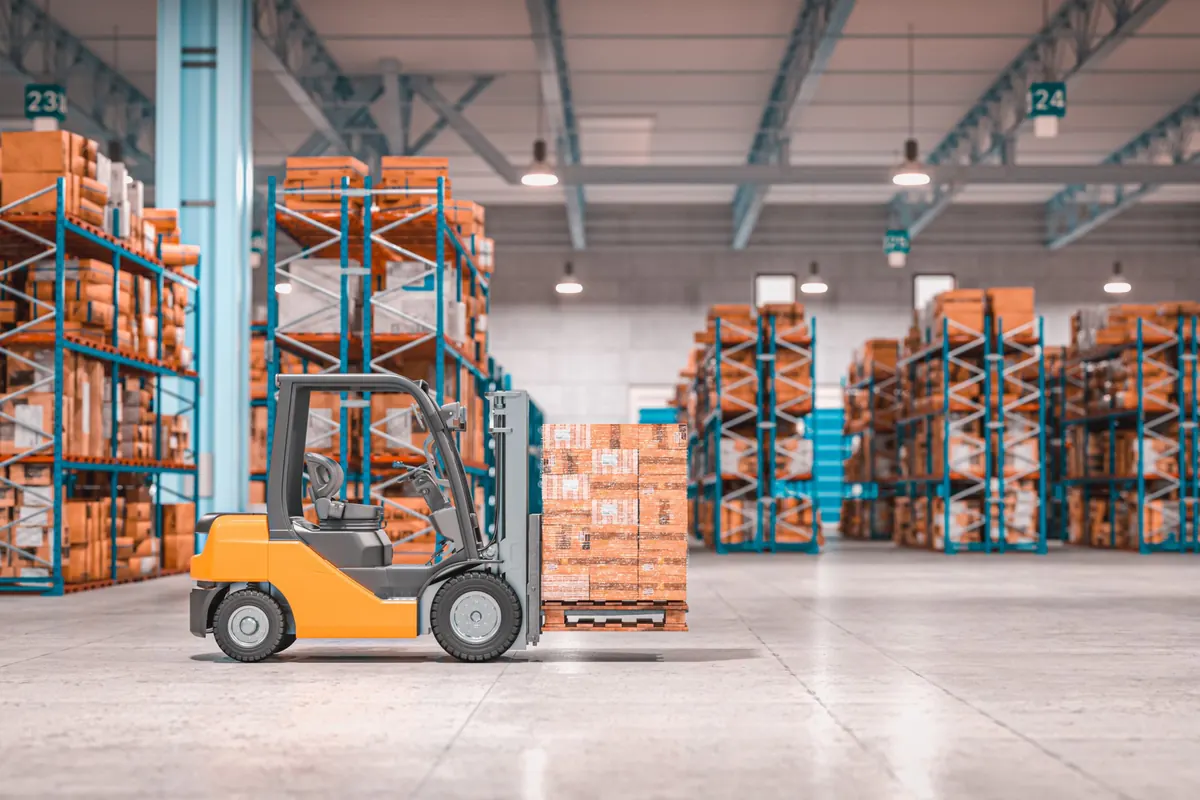
Shopping centres and warehouses often run packaged units on the roof. They sit in the weather all year, so corrosion, bird damage and blocked coils show up first, and safe roof access has to be planned.
- Coil cleaning and fin repair
- Belt, bearing and motor checks
- Economy cycle and damper checks
- Roof access and height safety arranged
Chillers, air handling units and cooling towers
Larger buildings run central plant: chillers, air handling units and cooling towers. In Victoria, cooling tower systems must be registered with the Department of Health, have a risk management plan for Legionella, and have that plan audited each year by an approved auditor.
Golden Star books the HVAC contractor and the water treatment provider and tracks the audit date.
- Chiller and AHU servicing
- Cooling tower cleaning and water treatment visits
- Risk management plan and audit dates tracked
- Records kept for the Department of Health
Older systems and replacement decisions
Many older units in Melbourne still run on R22, a refrigerant being phased out in Australia, which makes regassing these systems harder and dearer. When an old unit fails we price both the repair and a replacement so you can compare.
- Age and refrigerant type recorded for each unit
- Repair and replacement priced side by side
- Commercial air conditioning installation for new units
- Old refrigerant recovered, never vented


Maintenance schedule
How often commercial air conditioning is serviced
Service frequency depends on the system, the hours it runs and what the manufacturer specifies, so each building gets its own schedule. This is a typical pattern for a multi-tenant office we would start from and adjust.
Monthly
- Filter checks in busy spaces such as gyms and kitchens
- Cooling tower water treatment visits where a tower is installed
Quarterly
- Full service of split, ducted and VRF units
- Condensate drains cleared before they overflow
Before summer and winter
- Pre-season check so units are ready for the first hot or cold spell
- Controls and setpoints reviewed with the building manager
Yearly
- Cooling tower risk management plan audit
- Smoke control and air handling systems that are essential safety measures checked and recorded
Where air handling systems are part of a building's fire safety design, they are maintained as essential safety measures. Our essential safety measures page explains the owner's annual report.
Process
How the air conditioning service runs
Planned maintenance and breakdowns follow the same path, so every unit has one history. The site supervisor on your contract checks completed work and follows up anything left open.
- 1
Asset list
We record each unit: location, make, model, age and refrigerant. That list drives the schedule and the quotes.
- 2
Schedule
Services are booked around your trading hours and the seasons, with tenants told about any downtime.
- 3
Service or repair
The technician services the unit or diagnoses the fault, and fixes on the day what the approved limit allows.
- 4
Defects and quotes
Bigger repairs are quoted with photos. Nothing over the agreed limit goes ahead without your approval.
- 5
History
Service sheets and repairs are attached to the unit in GS Connect, so the next technician sees what was done.
Licences and standards for commercial HVAC work
Anyone who handles refrigerant in Australia needs a licence from the Australian Refrigeration Council, and the business needs a refrigerant trading authorisation. Both apply to the contractors Golden Star engages, and their insurance and safety documents can be sent on request.
| Item | Detail |
|---|---|
| Refrigerant handling | ARC licence held by each technician |
| Refrigerant trading | ARC trading authorisation held by the contractor |
| Electrical work | Licensed electrician for power supply and wiring changes |
| Microbial control | AS/NZS 3666 for air handling and water systems |
| Cooling towers | Public Health and Wellbeing Act 2008 (Vic): registration, risk management plan, annual audit |
Price guide
Commercial air conditioning service prices
Servicing is priced per unit or per plant item, repairs as a callout plus time and parts, and maintenance contracts as a fixed fee per visit. We confirm figures once we have your asset list.
| Item | From | What changes the price |
|---|---|---|
| Split or ducted unit service | On quote | Unit size, access and filter type |
| VRF or packaged unit service | On quote | Number of indoor units and roof access |
| Breakdown callout | On quote | Time of day and how fast the fault is found |
| Planned maintenance contract | On quote | Number of units and visits per year |
| Replacement unit | On quote | Capacity, crane hire and electrical changes |
What this service does not include
Golden Star does not hold a refrigerant licence; the contractors we engage do, and they sign off their work. We do not service home split systems or residential ducted heating.
Duct cleaning is a separate job with its own inspection, covered on our commercial duct cleaning page. Kitchen exhaust canopies are cleaned under canopy and exhaust cleaning. Lifts and fixed plant machinery are listed on our current site.
Commercial air conditioning across Melbourne
HVAC contractors are booked across metropolitan Melbourne. Inner-east office buildings in Richmond and Hawthorn mostly run split and VRF systems, while CBD towers have central plant that needs coordination with the building manager. All suburbs are on our service areas page.
Commercial air conditioning questions
If your question is about a particular unit, send the make and model to info@goldenstar.au.
How much does commercial air conditioning servicing cost in Melbourne?
Each unit or plant item is priced separately, so a small office with three split systems costs far less than a tower with central plant. Send us the asset list or a photo of each unit's label and we will quote a schedule.
How often should commercial air conditioning be serviced?
Most commercial units are serviced quarterly, with filters checked more often in busy spaces and a check before each summer. Cooling towers have monthly water treatment and a yearly audit of the Legionella risk management plan. Your schedule follows the manufacturer and the hours the system runs.
Are the HVAC technicians licensed, insured and inducted?
Yes. Technicians hold Australian Refrigeration Council licences and work for contractors engaged by Golden Star, and each is inducted to your site first.
Can air conditioning repairs be done after hours?
Yes. Servicing in shops, schools and busy offices is often booked outside trading hours, and breakdowns in hot weather can be attended after hours.
Which areas of Melbourne do you service?
Metropolitan Melbourne, from the CBD to the outer south-east, west and north, and selected regional Victorian sites when our contractors have capacity.
Send us your air conditioning list
A list or photos of your units is enough to start. We will build a service schedule and price it, or send a technician to the unit that has stopped.
