Distribution and storage
Warehouse cleaning in Melbourne
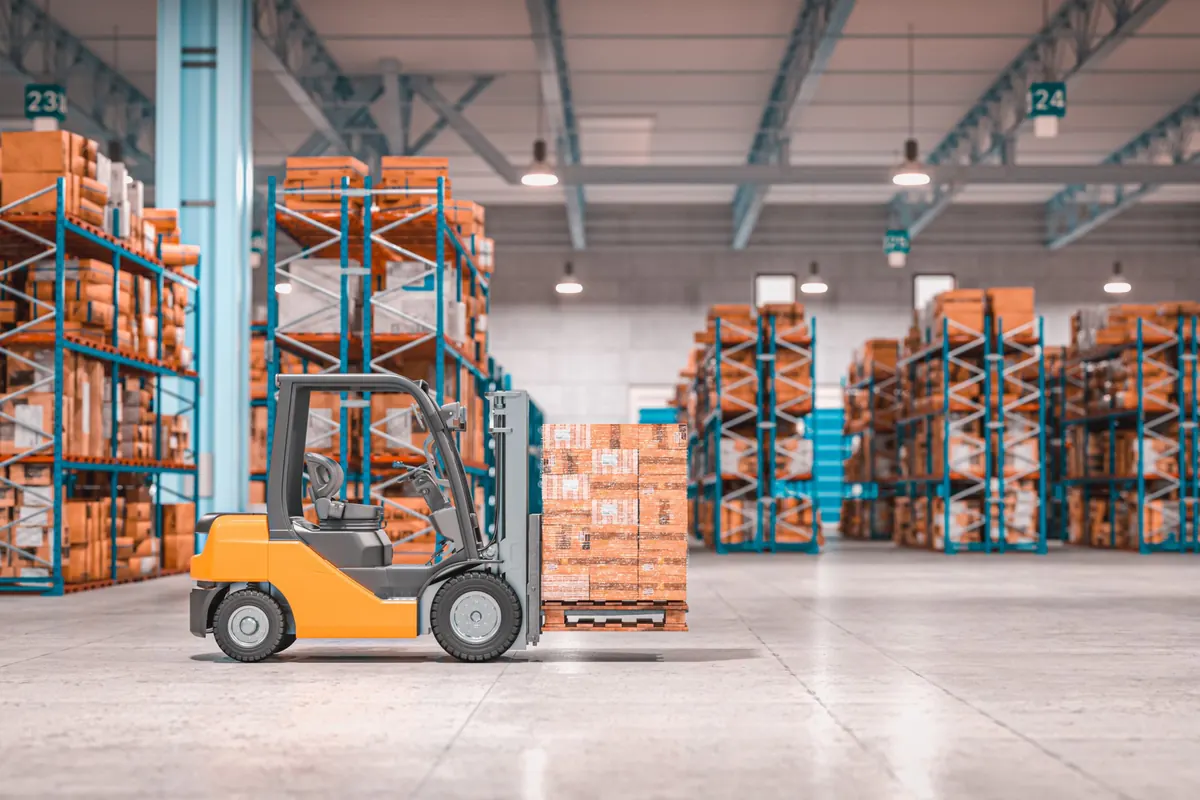
Warehouse cleaning in Melbourne means keeping aisles, docks, racking, amenities and the office block clean without getting in the way of picking and forklift movements. Golden Star does it as part of industrial cleaning, with our own crews working to your site traffic plan and shift times.
Dust is the main enemy in a warehouse. It comes off the slab, off forklift tyres and in through open dock doors, then settles on racking and stock.
Warehouse crews on the Golden Star payroll, under labour hire licence VICLHL08265
Area by area
What warehouse cleaning includes
A warehouse is cleaned in zones, each with its own task list and timing. Pick an area to see the work done there and the problem it fixes.
Aisles, staging lanes and open floor
Forklift wheel paths pick up dust and lay it along the aisle in stripes. Sweeping lifts loose dust first; scrubbing then takes out the fine layer and tyre marks that a broom leaves behind.
- Machine or manual sweep
- Wet scrub of aisles and lanes
- Oil drips absorbed then degreased
- Edges and racking feet swept by hand
Racking, beams and high surfaces
Dust on racking tops falls onto stock when pallets are moved. High dusting is done from a scissor or boom lift with the aisle closed, using vacuums that catch the dust instead of blowing it onto pallets below.
- Beams, uprights and top shelves
- Light fittings and roof ledges
- Stock covered where dust could fall
Loading docks and roller doors
Docks collect wrap, strapping, pallet splinters and leaves blown in from the yard. Leveller pits fill with debris that can jam the leveller if left.
- Dock aprons swept and scrubbed
- Leveller pits cleared with power isolated by the site
- Roller door tracks and seals wiped
- Dock seals and bumpers washed
Amenities, lunch rooms and the office block
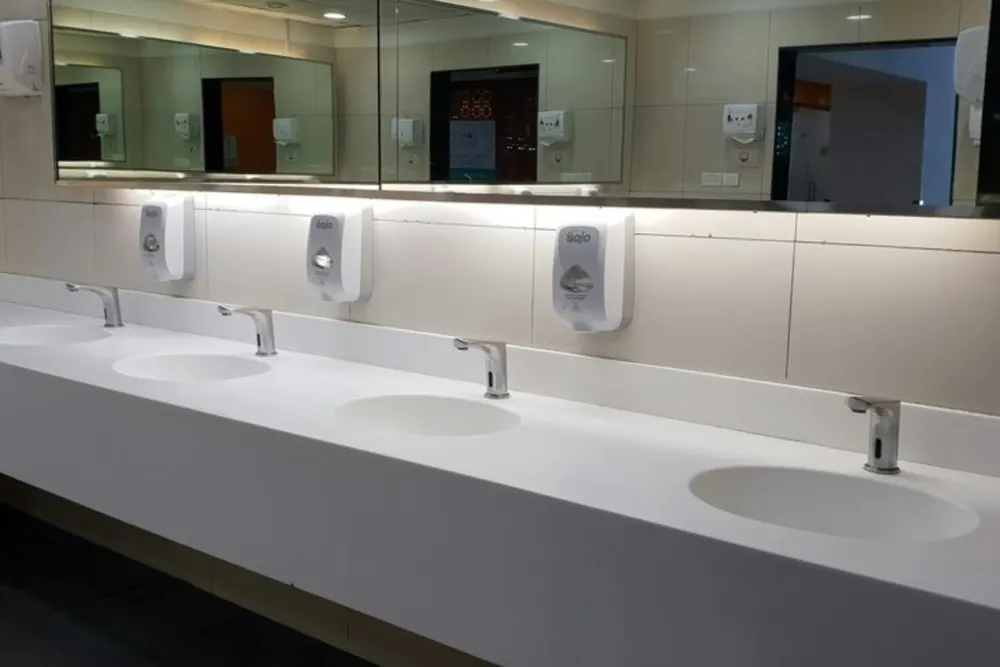
Shift workers notice the lunch room and toilets more than the floor. These are done every visit and restocked, often by a separate cleaner from the floor crew.
- Toilets, showers and lockers
- Lunch room benches, fridges and microwaves
- Office desks, kitchens and meeting rooms
- Bins and recycling to the site's streams
Yard, hardstand and car park
Yards are swept for litter and loose debris on routine visits. Oil stains, tyre build-up and grime on the hardstand are handled by pressure cleaning for commercial sites with the run-off captured.
- Litter and wrap collected
- Drains and pits checked for debris
- Staff car park swept
- Pressure cleaning on a quarterly or yearly cycle


Frequency
How often warehouse cleaning is done
Frequency in a warehouse follows forklift traffic and how much the stock minds dust. A busy pick-and-pack centre needs more than a bulk storage shed. This board shows a common pattern for a site running one or two shifts.
Each shift or day
- Toilets, lunch room and offices
- Spills and oil drips
- Dock aprons swept
- Bins and wrap cleared
Weekly
- Machine sweep of all aisles
- Scrub of main traffic lanes
- Roller door tracks
- Yard litter pick
Monthly
- Full floor scrub including cross-aisles
- Leveller pits cleared
- Walls and bollards washed
- Light fittings in amenities
Quarterly or at shutdown
- High dusting of racking and beams
- Roof ledges and high fittings
- Hardstand pressure cleaning
- Floor coating checked and touched up
Sites storing food, pharmaceuticals or clean packaging often move racking work to every month, because a customer audit or a returned pallet costs more than the extra visits. Sites with dock doors open all day collect more dust near the docks, so those bays are scrubbed more often than the back of the building.
Traffic and safety
Cleaning a warehouse around forklifts
Warehouse cleaners work to your traffic management plan, not their own. The biggest risk on a warehouse floor is a forklift and a person on foot in the same aisle, so cleaning is planned to keep them apart.
- Aisles are closed with barriers or chains before anyone cleans in them.
- Floor scrubbing is booked between pick waves, on the night shift, or on the day the site does not run.
- Cleaners stay in marked walkways when moving between zones.
- Ride-on sweepers and scrubbers follow the same rules as your forklifts, including speed limits and horn use.
- Where an aisle cannot be closed, a spotter stays with the cleaner.
If your site uses a permit or sign-on system for contractors, our crew uses it every visit. We would rather lose twenty minutes at the gate than have someone unaccounted for on the floor.
Official guidance
WorkSafe Victoria publishes guidance on forklift and pedestrian separation in warehouses; see worksafe.vic.gov.au.
Process
How the warehouse cleaning service runs
A warehouse contract is set up once, then runs on a fixed roster with a supervisor checking the zones. These are the steps from first walk to steady routine.
- 1
Floor walk
We walk the site with your warehouse manager, mark traffic routes, dust problems, and which areas only free up at night or weekends.
- 2
Zone scope
The floor, racking, docks, amenities and offices each get tasks and a frequency, with high dusting priced as its own line.
- 3
Induction and roster
Cleaners do your site induction, and the roster is set to your shift times and pick waves.
- 4
Routine visits
Floors and amenities run on the roster; high dusting is booked into quiet periods or a shutdown.
- 5
Checks
The site supervisor inspects each zone and logs issues in GS Connect, where your team can also raise a clean-up after a spill.
Price guide
Warehouse cleaning prices and what drives them
Warehouse cleaning is priced from floor area, how often the floor is scrubbed, and whether high dusting needs a hired lift. Routine work becomes a monthly figure; racking and shutdown cleans are priced per job.
| Item | From | What changes the price |
|---|---|---|
| Routine floor and amenities clean | On quote | Floor area, visits per week, number of amenities |
| Floor scrub | On quote | Slab condition, coating and tyre build-up |
| Racking high dust | On quote | Racking height, aisles and lift hire |
| Dock and yard clean | On quote | Number of docks and hardstand area |
Licences and insurance for warehouse cleaning
Warehouses usually ask for a safe work method statement, tickets for anyone on a lift, and insurance before the first visit. Our current documents are on the safety and insurance documents page.
| Item | Detail |
|---|---|
| Safety law | Occupational Health and Safety Act 2004 (Vic) |
| Labour hire licence | VICLHL08265 |
Warehouse cleaning across Melbourne
Most warehouse work is in the western logistics belt around Truganina, Derrimut and Laverton, the northern estates near Epping and Somerton, and the south-east around Dandenong South and Keysborough. See the full list of areas.
Warehouse cleaning questions
Warehouse managers can send a site plan to info@goldenstar.au to speed up the quote.
How much does warehouse cleaning cost in Melbourne?
Routine warehouse cleaning is quoted per month from floor area and visits, and racking work per job. Lift hire for high racking and weekend-only access add the most.
How often should a warehouse floor be scrubbed?
Main traffic lanes in a busy warehouse usually need a weekly scrub and a full floor scrub each month. Racking is commonly high dusted each quarter, more often where stock is food or packaging that must stay dust free.
Are your warehouse cleaners police checked, insured and inducted?
Each warehouse cleaner completes your site induction before the first shift and signs in under your contractor system every visit. Anyone driving a lift or ride-on holds the licence for it.
Can warehouse cleaning be done at night or on weekends?
Yes. Night shifts and weekends are usually the best time for floor scrubbing and high dusting, because aisles can be closed without holding up picking.
Which Melbourne warehouse areas do you cover?
All of metropolitan Melbourne, with most warehouse sites in the west, the north and the south-east.
Get your warehouse floor and racking priced
Send the floor area, racking height and your shift times. We will walk the site and quote routine cleaning and high dusting as separate lines.
