
Think Floor, resin floors
Commercial epoxy flooring in Melbourne
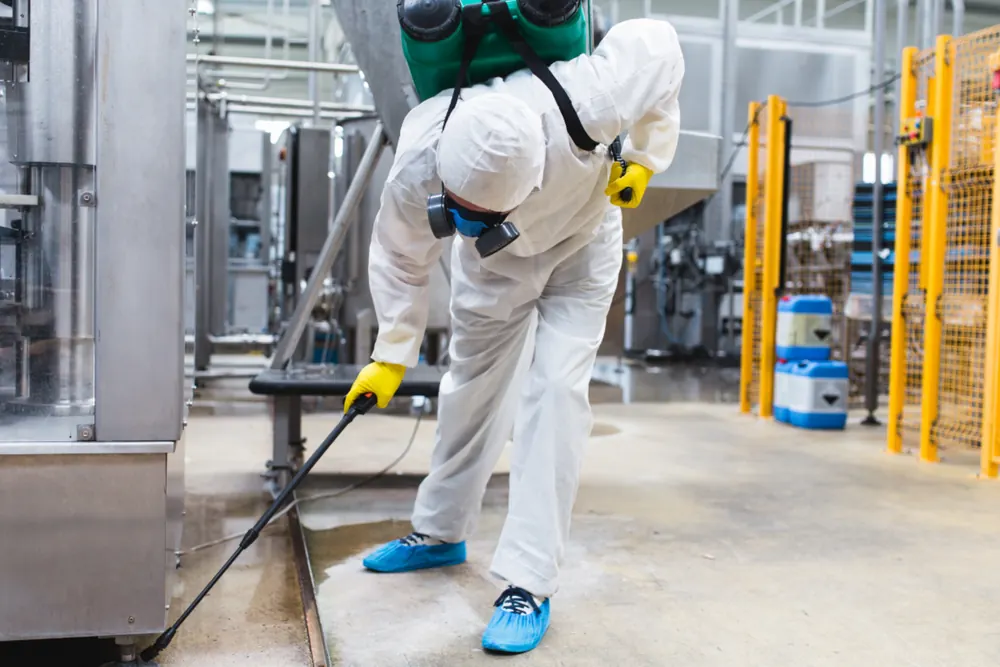
Commercial epoxy flooring in Melbourne is a resin coating bonded to a prepared concrete slab, used in warehouses, workshops, food areas and plant rooms where the floor has to resist wear, chemicals and dust. Golden Star's Think Floor division tests the slab, grinds it, repairs it, then applies a coating system chosen for how the floor is used.
Most epoxy failures start underneath, with damp concrete or a weak surface. That is why every job here begins with moisture readings and a look at the slab, and why a quote may come back with a primer or repair line you did not expect.
Scope
What an epoxy floor coating job includes
An epoxy floor is only as good as the concrete it is stuck to, so more than half the work happens before any coating goes down. These are the stages we price on every job.
- Moisture testingIn-situ relative humidity probes set into the slab, read against the limit on the coating maker's data sheet.
- Mechanical preparationDiamond grinding or shot blasting to remove the weak top layer and give the primer something to grip. Acid etching is not used.
- Old coating removalFailed or flaking coatings are taken back to sound concrete, because new resin will not hold an old coat down.
- Crack and joint repairCracks filled, and saw-cut joints in forklift aisles filled with a semi-rigid filler so wheels do not chip the edges.
- PrimerA penetrating primer, or a moisture-tolerant primer where the readings are high.
- Body coatsRolled or trowelled coats built to the thickness the traffic calls for, from thin film to heavy-duty screed.
- Anti-slip finishAggregate broadcast into wet, ramped or washdown areas to reach the specified slip rating.
- Line marking and colour zonesWalkways and bays set out in the coating where the site plan asks for them.
- Handover packProduct data sheets, cure times, care instructions and photos saved in GS Connect.
Choosing a system
Epoxy, polyurethane cement or polished concrete
Epoxy is not the answer for every slab. Industrial epoxy floor coating is strong in dry, heavy-traffic areas, but hot washdown kitchens and very large dry floors may be better served by something else.
Epoxy coating
Warehouses, workshops, dry food areas
- Resists oils, many chemicals and abrasion
- Colour, line marking and zones built in
- Joint-free surface that is easy to sweep and scrub
- Softens under hot washdowns and can crack with sharp temperature changes
- Needs a dry, sound slab
Polyurethane cement
Cooklines, cool rooms, washdown areas
- Copes with boiling water, steam and hot oil
- More tolerant of moisture in the slab
- Usually laid thicker, with coved edges
- Fewer colour choices and a textured feel
- Often the better pick behind a commercial cookline
Polished concrete
Large dry floors, retail, showrooms
- No coating to peel or wear through
- Upkeep is mostly scrubbing and burnishing
- Less chemical resistance than a resin
- Can be slippery when wet without treatment
- See polished concrete and concrete grinding
How it runs
How an epoxy floor is laid without closing the site
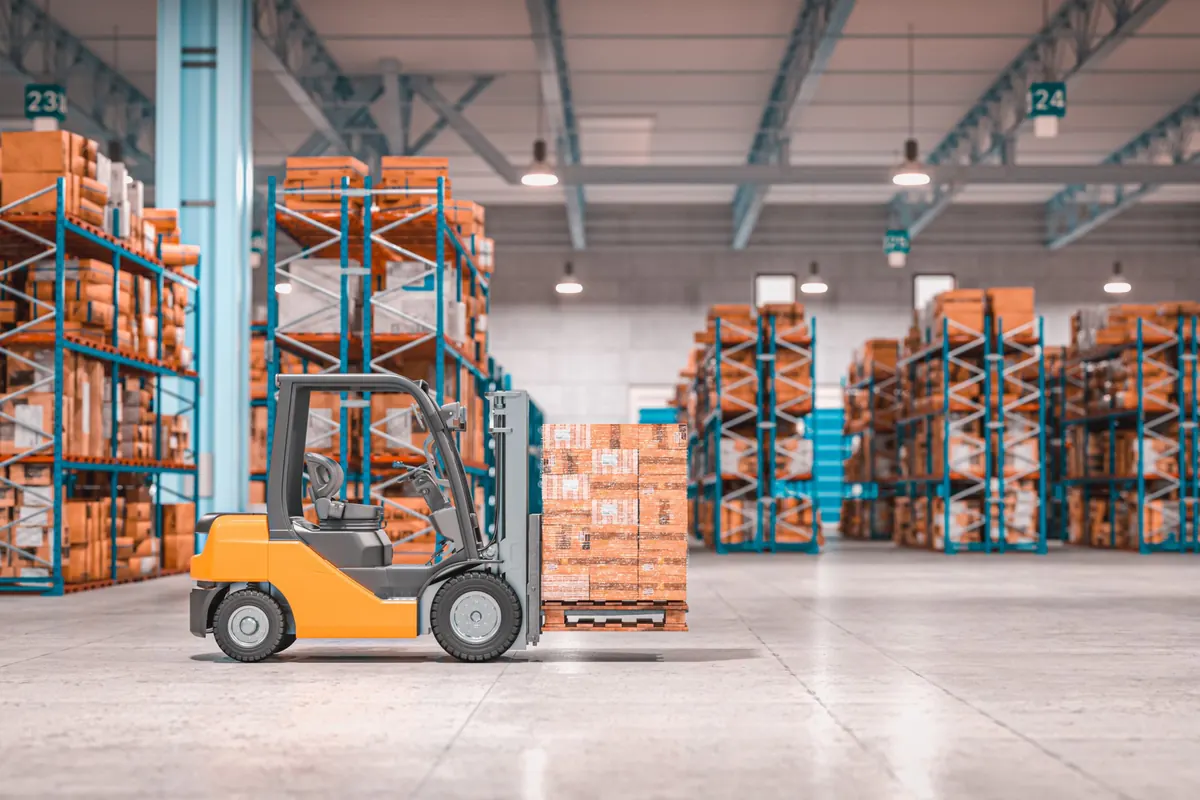
Most commercial epoxy floor contractors work in stages so the business can keep trading. We split the floor into zones, coat one while the others stay in use, and plan the order with your operations manager.
- 1
Survey and readings
We measure the area, take moisture readings and mark cracks, joints, drains and the spots where forklifts turn.
- 2
Zone plan
The floor is divided into stages that can be closed one at a time, with racking, stock and walkways moved to suit.
- 3
Prepare and repair
Grinding with dust extraction, then crack and joint repairs, then a vacuum to leave a clean surface.
- 4
Prime and coat
Primer and coats applied within the time window on the data sheet, with temperature and humidity recorded.
- 5
Cure and reopen
The zone stays closed until it can take the traffic planned for it, then the next zone starts.
Downtime
Cure times for an epoxy floor coating
Cure time decides how long each zone stays closed. These are typical stages at a mild room temperature; a cold Melbourne slab in July can add a day or more, and the product data sheet always has the final say.
Same day
- Coats applied and the zone taped off
- No foot traffic on fresh resin
About 24 hours
- Light foot traffic
- Fittings and bins can go back carefully
About 2 to 3 days
- Normal foot traffic and trolleys
- Pallet jacks in many systems
About 7 days
- Forklifts and vehicles
- Full chemical resistance and wet cleaning
A floor that is washed or driven on too early can mark or lose its grip, so we would rather hold a zone closed a day longer. If your site cannot wait, ask about fast-cure systems, which shorten the wait but cost more per square metre.
Slip ratings, safety rules and insurance for epoxy floors
Resin floors bring three sets of rules: slip resistance, dust and chemical safety, and hygiene in food areas. Our insurance and policy documents are listed on the accreditations and safety page.
| Item | What applies |
|---|---|
| Slip resistance | New surfaces are classified under AS 4586 by wet pendulum (P) and oil-wet ramp (R) tests; we build to the rating in your specification |
| Grinding dust | Concrete dust contains crystalline silica, so grinding is done with on-tool extraction and an H-class vacuum under WorkSafe Victoria rules |
| Resin and solvents | Safety data sheets on site, ventilation planned, and the area closed to others while coating |
| Food areas | Floors must be easy to clean, not absorb grease or water, and drain without pooling |
Price guide
Epoxy flooring prices in Melbourne
Epoxy flooring is priced per square metre, but the slab sets most of the cost. A sound, dry slab with no old coating is the cheapest case; a damp slab with flaking paint and broken joints can cost more to prepare than to coat.
| Item | From | What changes the price |
|---|---|---|
| Thin film coating | On quote | Light traffic areas, two or three coats |
| Heavy-duty or self-levelling system | On quote | Thickness and forklift traffic |
| Commercial kitchen epoxy flooring with coving | On quote | Drains, falls and wall junctions |
| Preparation and old coating removal | On quote | What is on the slab now |
| Moisture-tolerant primer | On quote | Only where readings are high |
Epoxy floors across Melbourne
Most epoxy floor coating work in Melbourne is in the industrial west and south-east: Truganina, Laverton, Dandenong, Braeside and Mulgrave, where warehouses and factories are concentrated. City kitchens and plant rooms are covered too. See every area Golden Star covers.
Commercial epoxy flooring questions
A slab photo and the rough floor area are enough for a first reply from info@goldenstar.au.
How much does commercial epoxy flooring cost in Melbourne?
It is quoted per square metre after a site check, and preparation often costs as much as the coating. A clean, dry slab is the cheapest; old coatings and damp concrete add cost.
How often does an epoxy floor need recoating?
It depends on traffic. Forklift aisles and turning points wear first, and a fresh topcoat there can extend the life of the whole floor. We suggest a yearly look at worn lanes rather than waiting for bare concrete to show.
Are your epoxy floor crews police checked, insured and inducted?
Every crew is inducted to your site rules, forklift zones and emergency plan before work starts.
Can epoxy flooring be done after hours or over a weekend?
Yes. Many jobs are staged over weekends or shutdown periods. Cure time still applies, so a zone coated on Saturday may only take foot traffic on Monday and forklifts later in the week.
Which areas of Melbourne do you cover for epoxy floors?
We quote across metropolitan Melbourne. Industrial estates in the west, north and south-east make up most epoxy work, and regional Victorian sites can be quoted when a crew is free to travel.
Get your slab checked before you coat it
Send the floor area, what drives on it and when it can close. We will take moisture readings and send a staged plan with a price.
